Leave a Message

Thank you for your message. We will be in touch with you shortly.

North Shore Home Styles: A Glencoe Buyer’s Guide

January 1, 2026

Are you touring Glencoe and wondering which home style will truly fit your life? From classic Colonials and storybook Tudors to efficient Cape Cods, light-filled mid-century homes, and turnkey newer builds, each style brings its own flow, features, and maintenance profile. You want the right feel today without surprises after closing. In this guide, you’ll learn how the most common North Shore styles translate into floor plans, update needs, and lifestyle trade-offs in Glencoe. Let’s dive in.

Why style matters in Glencoe

Glencoe sits along Lake Michigan on the Chicago North Shore. It is largely residential with mature trees, established neighborhoods, and a mix of architecturally significant homes and later infill. Commute options on the UP–North Metra line and district assignments for local schools shape demand for different layouts and bedroom counts.

Lots vary by block, which affects yard size, privacy, and how an addition or new build fits the street. Some older homes rest on modest, leafy parcels, while newer construction may combine lots and introduce larger footprints with attached garages. Local preservation and permitting can also shape what you change on the exterior. Style choice is more than curb appeal here, it ties directly to daily living and long-term plans.

Colonial Revival in Glencoe

What you will notice

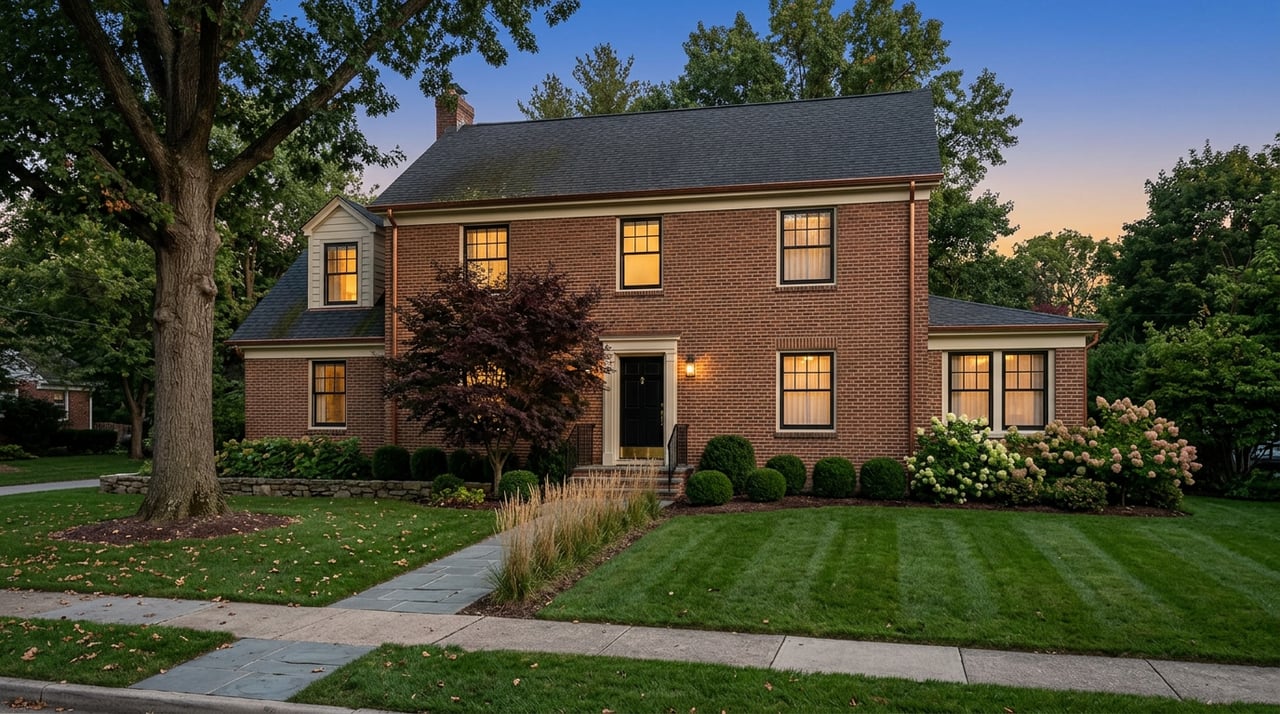
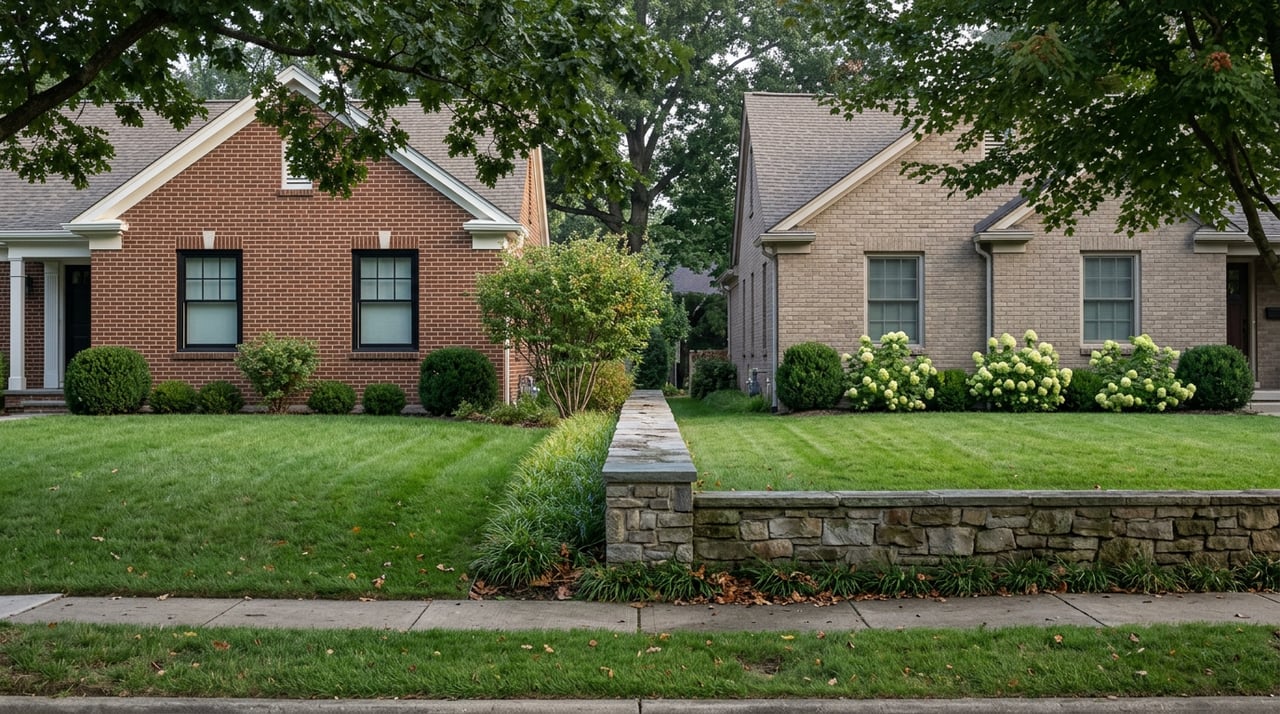
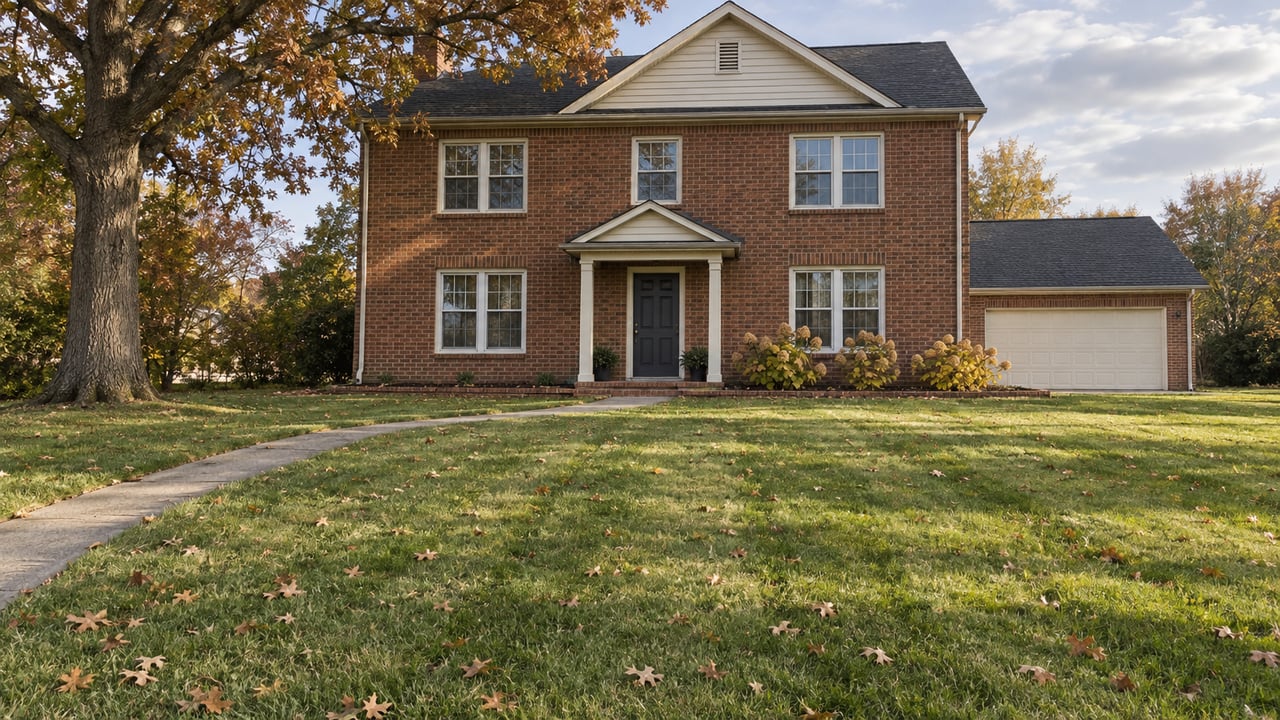
Colonial Revival homes usually present a symmetrical front with a central door, multi-pane double-hung windows, and brick or clapboard siding under a gabled roof. The classic look fits many North Shore streetscapes.

Floor plan and flow

Expect a center-hall layout. A foyer and staircase sit in the middle, with formal living and dining rooms flanking the hall and the kitchen at the rear. Bedrooms are typically grouped on the second floor. Basements are common and add storage or expansion potential.

Updates and trade-offs

  • Pros: Predictable room shapes, easy to reconfigure closets, and adaptable for extra baths or a mudroom.
  • Cons: Older Colonials often have compact kitchens and smaller informal areas. Opening the rear to a family room is a frequent goal.
  • Typical upgrades: Kitchen expansion, adding a main bedroom suite, modernizing HVAC and electrical, and improving insulation and windows to boost comfort while respecting original character. Exterior changes may require review if the home is designated.

What to inspect first

  • Chimney and roof flashing, masonry condition, and original window performance.
  • Electrical capacity and HVAC age in older properties.
  • Feasibility of opening walls near the kitchen and adding baths.

Tudor Revival

What you will notice

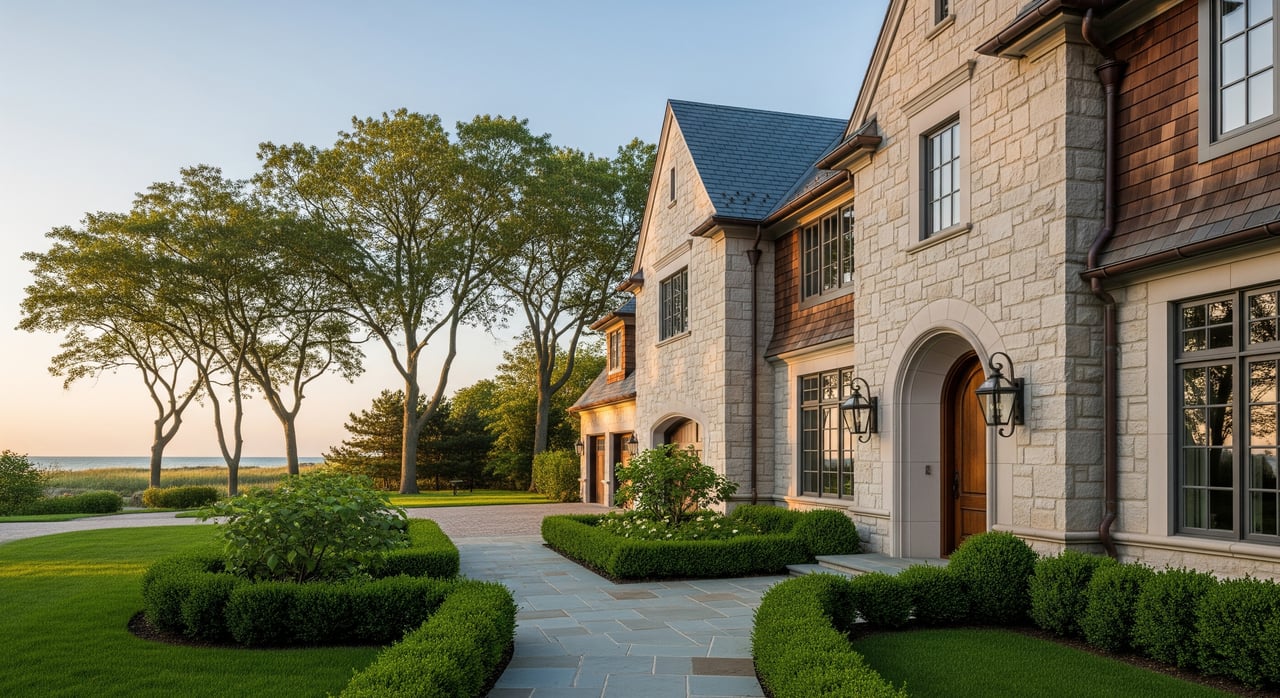
Tudor Revival homes feature steep, multi-gabled roofs, masonry or stone bases, decorative half-timbering, leaded or narrow casement windows, and prominent chimneys. The curb appeal is distinctive and often dramatic.

Floor plan and flow

Rooms are more asymmetrical and intimate. You may see a recessed entry, a first-floor library, formal living and dining rooms, and a separate breakfast room off the kitchen. Bedrooms may be arranged by wings, and attics or nooks offer bonus space.

Updates and trade-offs

  • Pros: Rich character and solid craftsmanship.
  • Cons: Irregular room shapes can complicate major open-plan changes. Preserving masonry and original details can add cost.
  • Typical upgrades: Enlarging kitchens, improving sightlines while respecting structure and detailing, roof and chimney repair, and thoughtful window decisions that balance efficiency with preservation. Foundation waterproofing and basement finishing are common.

What to inspect first

  • Steep roof condition, complex flashing, and chimney integrity.
  • Masonry and timber detailing that may require specialized care.
  • Window condition and options for efficiency upgrades without full replacement.

Cape Cod

What you will notice

Cape Cod homes are compact with a simple rectangle footprint, steep gable roof with dormers, and shingle or clapboard siding. Many originated as modest cottages and later expanded.

Floor plan and flow

Footprints are efficient. You may find main-floor bedrooms or bedrooms tucked into the dormered half-story. Kitchens and living rooms tend to be smaller. Basements are typical.

Updates and trade-offs

  • Pros: Manageable scale, lower exterior maintenance, and good efficiency if insulated well.
  • Cons: Limited square footage, modest kitchens, and fewer baths or closets unless expanded.
  • Typical upgrades: Adding dormers to create usable second-floor space, kitchen and bath refreshes, and adding a mudroom or garage connection that meets North Shore expectations. Roof framing and attic insulation matter when finishing upper levels.

What to inspect first

  • Roof and dormer structure, insulation levels, and ventilation.
  • Basement moisture conditions if considering a lower-level family room.
  • Space planning for future mudroom or garage enhancements.

Mid-century modern and split-level

What you will notice

Mid-century homes often have low or flat roofs, wide eaves, large glass areas, and clean horizontal lines that connect the interior to the landscape. You will see single-story ranch, split-level, and architect-designed examples.

Floor plan and flow

Layouts favor openness, natural light, and indoor-outdoor flow. Kitchens may already be open to living areas. Storage can be modest compared to newer construction, and some split-levels have defined zones for living and sleeping.

Updates and trade-offs

  • Pros: Open plans align with modern living and entertaining. Strong connection to nature.
  • Cons: Large glass areas can challenge energy efficiency and privacy. Flat or low-slope roofs need attentive maintenance. Storage and closet space may feel limited.
  • Typical upgrades: High-performance glazing that preserves sightlines, roof rehabilitation, insulation improvements, modernized kitchens and baths, and HVAC updates to meet today’s comfort standards.

What to inspect first

  • Roof membrane condition and drainage at low-slope areas.
  • Window seals, frames, and any fogging between panes.
  • Foundation type and movement, especially where slabs are present.

Newer builds and luxury infill

What you will notice

Newer construction ranges from traditional-inspired to fully contemporary. Expect larger windows, mixed exterior materials, attached multi-car garages, and engineered landscaping.

Floor plan and flow

First floors typically center on an open great room, kitchen, and family area. You may find a main-level bedroom suite, multiple bathrooms, home office space, and finished basements for recreation or guest suites.

Updates and trade-offs

  • Pros: Modern amenities, strong energy performance, generous storage, and lower near-term maintenance.
  • Cons: Scale and style may contrast with older blocks. Property taxes and permitting history deserve attention.
  • Typical upgrades: Personalizing finishes, landscaping, smart home features, or tailoring basement build-outs.

What to inspect first

  • Permit history and as-built compliance.
  • Drainage grading, exterior materials, and mechanical system capacity.
  • Energy ratings and warranty coverage if recently built.

Lots, privacy, and neighborhood scale

Glencoe’s block-by-block lot patterns affect how each style lives. Narrow or shallow parcels can limit additions and garage placement. Wider or combined lots support larger footprints, deeper setbacks, and more flexible outdoor spaces.

Mature trees are a defining feature, so evaluate shade, roots, and future maintenance when planning patios or additions. Consider light by orientation, especially if you prefer sunny kitchens or south-facing outdoor areas. For new builds or large additions, confirm how scale compares to neighboring homes and review setback, height, and lot coverage rules before you design.

Renovation planning and budgets

Across styles, kitchens and baths drive livability and value. Adding a bathroom or enlarging an existing one is often the highest-impact change. Insulation, windows, and HVAC upgrades improve comfort and efficiency in older homes. Finished basements or reworked attics can unlock flexible space for playrooms, gyms, or guest suites.

Budget planning starts with priorities. Cosmetic work like paint and floors has a different cost profile than structural or systems projects like roofs, foundations, electrical upgrades, or complex masonry repairs. Roofs with many valleys and steep pitches, typical in Tudors and some mid-century designs, usually cost more per square foot. Expect incremental code upgrades during major remodels, including insulation standards and egress requirements for basement bedrooms.

Rules, preservation, and permits

Glencoe maintains a building department and a historic preservation review process for designated properties and districts. Exterior changes such as siding, windows, rooflines, and additions at designated homes may require approval. Major interior work that alters plumbing, electrical, or HVAC, or that adds square footage, typically needs permits.

Homes near Lake Michigan or along ravines can have additional environmental or stormwater considerations, including floodplain or setback rules. Verify property details, lot dimensions, and recorded work through county records when you are evaluating past additions. If schools factor into your decision, confirm actual assignments using district resources before you make an offer.

Match your lifestyle to a style

  • You value formal rooms and a traditional feel: a Colonial, and some Tudors, offer defined spaces and grouped bedrooms. Plan on kitchen modernization and possibly an added bath.
  • You want distinctive character and cozy rooms: a Tudor delivers charm and craftsmanship, with a likely investment to open or enlarge key spaces.
  • You prefer a manageable footprint with expansion potential: a Cape Cod can work now and grow later with dormers or a rear addition.
  • You love light, openness, and indoor-outdoor living: a mid-century layout is a natural match, paired with window, insulation, and roof improvements.
  • You want turnkey living with modern systems: newer builds reduce near-term projects while offering open plans and ample storage. Confirm scale compatibility with the block and review permits.

Ready to align style, layout, and budget with confidence in Glencoe? Let’s talk about your short list, what to inspect by style, and the smartest improvement plan before you write. Connect with Deb Baker for thoughtful buyer representation backed by local insight and a calm, detail-forward process.
FAQs

How can I tell a Tudor from a Colonial in Glencoe?

  • Tudors show steep multi-gabled roofs, masonry bases, and half-timbering, while Colonials have a symmetrical facade, centered entry, and multi-pane double-hung windows.

Which North Shore styles are easiest to open up?

  • Mid-century homes already favor open plans, while Colonials can open at the rear to a family room; Tudors often require more structural and design care to remove walls.

What renovation items are non-negotiable in older homes?

  • Prioritize roof integrity, water management, electrical capacity, HVAC performance, and any masonry or chimney issues before cosmetic upgrades.

Will replacing original windows hurt value or historic character?

  • In designated homes, replacement may require review; many buyers choose to retrofit original windows for efficiency to preserve character and satisfy potential preservation guidance.

Do I need approval to add a two-story addition in Glencoe?

  • You will likely need permits and, if the home is designated or in a district, preservation review; confirm setback, height, and lot coverage rules early in planning.

Does proximity to the Metra station affect style or lot options?

  • Areas closer to the station can have a mix of older homes on modest lots and newer infill where lots were combined; always confirm lot dimensions and neighborhood context before planning changes.

Work With Deb

Get assistance in determining current property value, crafting a competitive offer, writing and negotiating a contract, and much more. Contact me today.