Glencoe's Asking Prices and Its Closing Prices Are Telling Two Different Stories
September 17, 2026
September 17, 2026
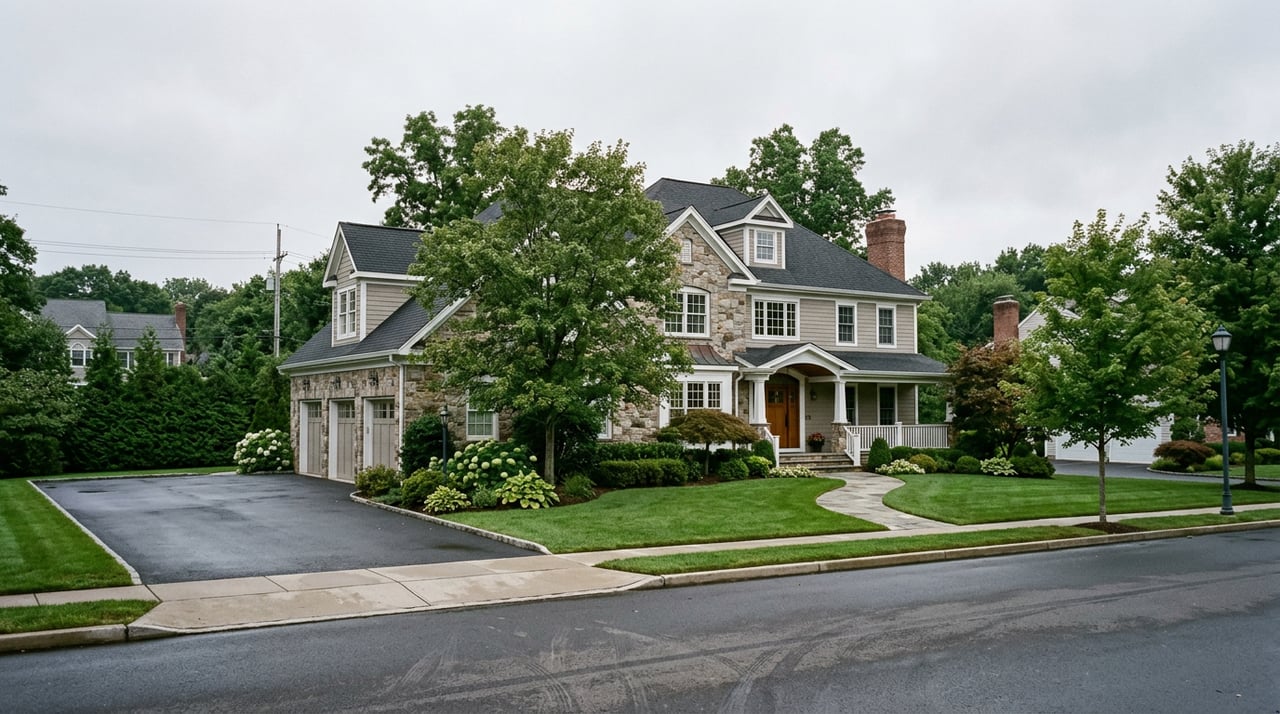
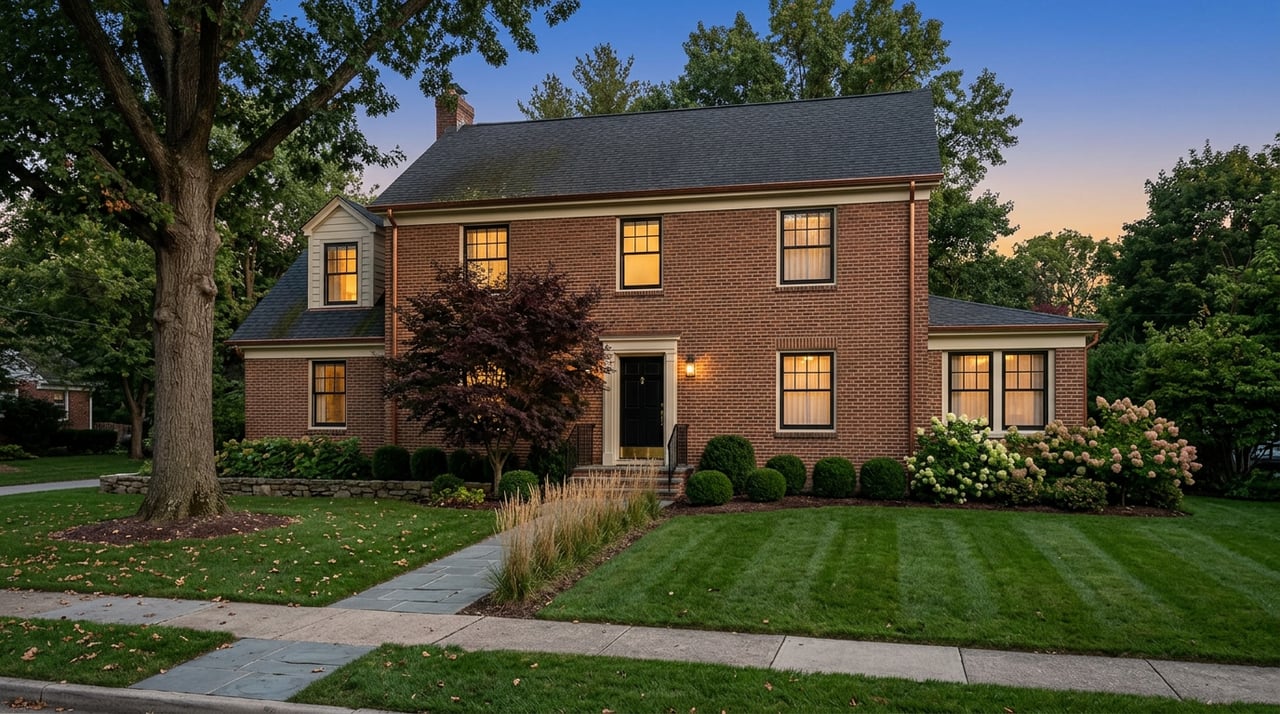
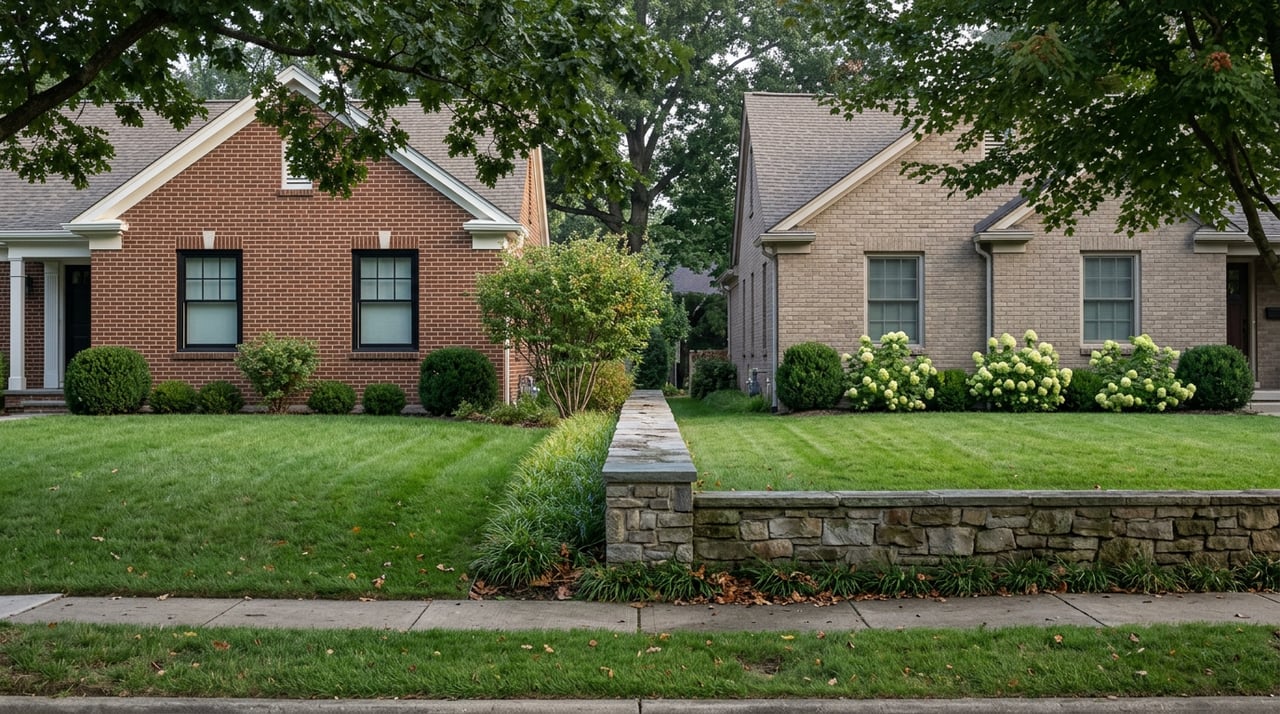
Two homes within three blocks of each other in Glencoe show very different price points: one asks just under $3 million, while the other, similar in size and condition, closed for barely $1.7 million. Neither number is a mistake. Both are real. And if you are trying to figure out what a Glencoe home actually costs by scanning listing sites, you are looking at the wrong half of the picture.
The village's current asking prices and its recent closing prices have pulled apart from each other, and the size of that gap is the most useful thing a buyer or seller can know right now. It tells you where the negotiating room is, which price bands are overpriced relative to what's actually trading, and why a single "median" figure for Glencoe means less than it used to.
As of the week of September 13, 2026, the median list price for homes on the market in Glencoe sat at $2,912,000, according to Altos Research's weekly tracking of the village. That same report showed the Market Action Index, a measure of how quickly inventory is moving relative to what's coming onto the market, sliding from 41 the previous month down to 36. Active inventory rose to 22 homes over the same stretch.
None of those numbers describe a market in free fall. But together they describe a market where sellers are pricing ahead of demand rather than behind it. A falling Market Action Index paired with rising inventory usually means buyers have more to choose from and less urgency to chase any single listing. When that happens in a market where list prices are already stretched, the gap between what a home is asked for and what it eventually sells for tends to widen, not close.
That's exactly what the closing data shows. The North Shore-Barrington Association's annual detached-home sales table for 2025 recorded 112 sales in Glencoe, with an average sold price of $1,979,104 and a median sold price of $1,700,000. Homes in that dataset spent an average of 41 days on the market before going under contract.
Redfin's more recent rolling three-month figures put the median sale price closer to $1,973,819, with a 106.8 percent sale-to-list ratio and a median of 37 days on market. That sale-to-list ratio is worth sitting with for a second. It means that among homes that actually closed, buyers paid slightly above the final asking price on average. But the final asking price at the point of a signed contract is often well below where a home was originally listed, especially at the top of the market. A home that starts at $2.9 million and eventually contracts at $1.9 million can still close a hair above that lower, adjusted list price and still represent a six-figure gap from where the seller started.
Put the two data sets side by side and the story sharpens. Sellers are anchoring around $2.9 million. Buyers are closing deals closer to $1.7 to $2.0 million. That's not a rounding difference. That's a market where initial pricing strategy and eventual transaction reality are having two separate conversations.
Part of the reason the gap looks so large is that Glencoe isn't one market. It's at least three, stacked by bedroom count, and each one behaves differently.
| Bedrooms | Typical List Price (June 2026 snapshot) |
|---|---|
| 3 | $1,010,000 |
| 4 | $1,362,500 |
| 5 | $2,100,000 |
That breakdown comes from a June 2026 market snapshot covering active single-family inventory, where prices for homes on the market ranged from $459,900 up to $5,749,000, with a median single-family list price of $1,962,000. The wide spread between the low end and the top of that range is the real driver of the village-wide median swinging so hard depending on which handful of homes happen to be active or closing in a given month.
This matters for anyone comparing Glencoe to a neighboring North Shore suburb using a single headline number. A three-bedroom buyer and a five-bedroom buyer are functionally shopping in two different markets that happen to share a ZIP code. The five-bedroom segment, where prices climb well past $2 million, is also where the widest gap between original list price and eventual sale price tends to show up, because sellers at that tier have more room to overshoot and buyers at that tier have more leverage to push back when a home sits.
There's a second piece of friction layered underneath the pricing story, and it has nothing to do with square footage.
Glencoe sits entirely within New Trier Township, which the Cook County Assessor's Office reassessed in the spring of 2025 as part of its routine triennial cycle covering the north suburbs. That reassessment pushed the township's total assessed value up 39 percent, reflecting three years of market appreciation baked into new valuations. Those certified 2025 values are what determine the second-installment property tax bills that residents and buyers see arrive in 2026.
Here's the part that catches people mid-transaction. Second-installment bills tied to a completed reassessment normally follow a schedule. For the current cycle, that schedule has slipped. Cook County officials confirmed in June 2026 that bills reflecting the 2025 reassessment would run behind the usual timeline, with no firm due date locked in at the time.
If you're closing on a Glencoe property this fall, that delay isn't just a scheduling footnote. Tax prorations at closing are typically estimated using the most recent known bill, and when the bill that actually reflects the new, higher assessed values hasn't been issued yet, buyers and sellers are negotiating a proration based on incomplete information. A 39 percent jump in assessed value doesn't translate one-to-one into a 39 percent jump in your tax bill, since the final number depends on the equalization factor, your exemptions, and how your specific assessment moved relative to your taxing district's neighbors. But it does mean the number on file at closing this fall may look meaningfully different from what shows up once the county catches up.
If you're cross-shopping Glencoe against another North Shore village, the two threads here connect. The list-to-close gap tells you that current asking prices, especially in the upper bedroom tiers, carry more room for negotiation than they did when the market was tighter a year or two ago. The tax timeline tells you that whatever number you're using to estimate carrying costs needs a caveat attached, because the bill that will actually land in your mailbox hasn't been finalized yet.
Neither of these facts should scare a buyer off Glencoe. The Chicago Botanic Garden, Writers Theatre, and the lakefront beach remain what they've always been, and the village's housing stock still commands a premium for good reason. But going in with the actual closing numbers, not the asking numbers, and asking your lender or attorney to build in a cushion for the delayed tax bill, puts you in a stronger position than most buyers walking into a showing with only a portal's median in hand.
Why did a home near me sell for so much less than a similar one currently listed? Current list prices in Glencoe are running well ahead of what's closing, particularly in the higher bedroom tiers. A gap of several hundred thousand dollars between an active listing and a recent comparable sale is consistent with what the 2025 and 2026 data show village-wide.
Will my property tax bill match the new assessed value right away? Not necessarily on the timeline you'd expect. The second-installment bills reflecting New Trier Township's 2025 reassessment have been running behind the usual schedule, with county officials indicating that the due date remained unconfirmed as of their most recent update.
Should I wait for the tax bill to be finalized before buying? That depends on your timeline and risk tolerance, and it's worth a direct conversation with your lender and closing attorney about how they're handling the proration given the delay. It's not a reason to avoid the market, just a detail worth planning around.
If you're weighing a move into Glencoe or trying to price a home you already own there, Deb Baker Homes can walk you through what the current list-to-close gap and the tax timeline actually mean for your specific property. Request a complimentary home valuation to start the conversation with real numbers instead of a portal median.
This article is general information, not legal, tax or financial advice. Consult a qualified professional about your situation.
Get assistance in determining current property value, crafting a competitive offer, writing and negotiating a contract, and much more. Contact me today.