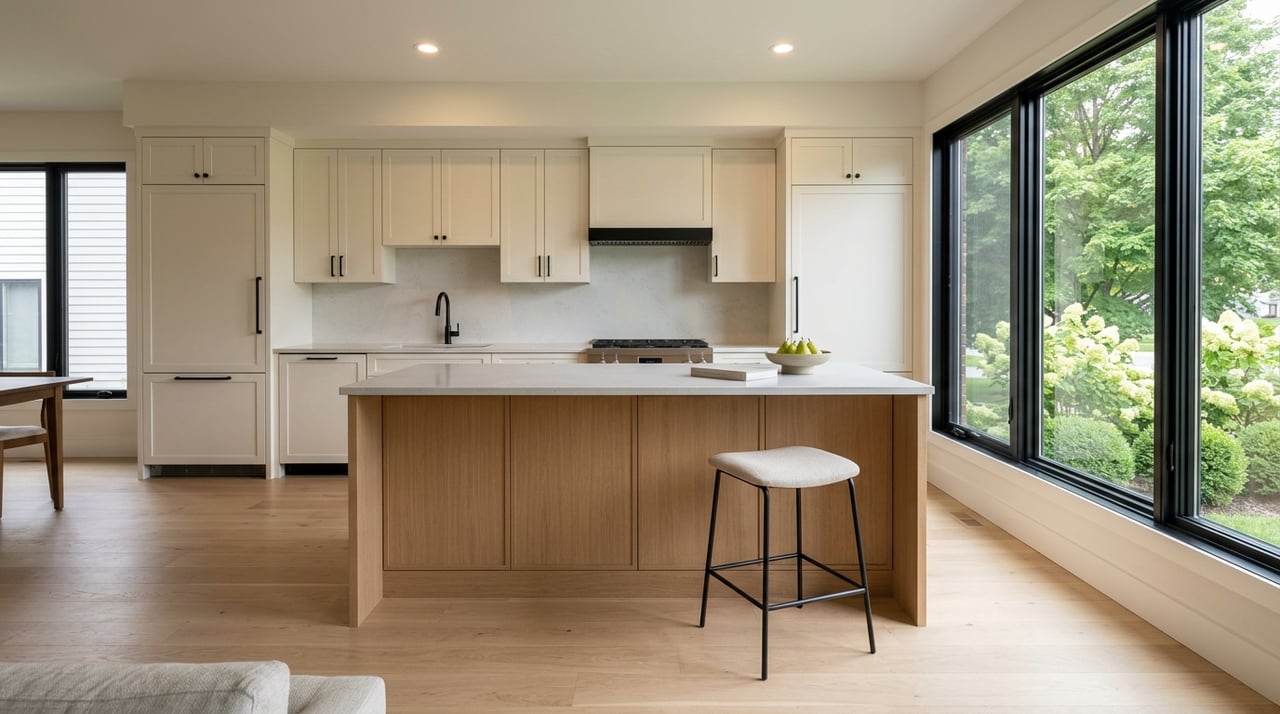
Highland Park New Construction Versus Vintage Homes
July 2, 2026
July 2, 2026
Wondering whether a newer home or an older one makes more sense in Highland Park? You are not alone. In this market, the choice often comes down to more than curb appeal or style, because the age of a home can shape your budget, timeline, and future projects in very real ways. This guide will help you compare new construction and vintage homes in Highland Park so you can make a smarter, more confident decision. Let’s dive in.
Highland Park has a housing stock that leans older. CMAP estimates that 23.9% of homes were built before 1940, 35.2% were built from 1940 to 1969, and only 4.6% were built in 2010 or later. The median year built is 1963.
That matters because most buyers here are choosing between a relatively small number of newer or rebuilt homes and a much larger pool of older properties. Single-family detached homes make up 73.6% of the housing stock, and the median home has 7.5 rooms, so detached homes remain the dominant option in Highland Park.
New construction often attracts buyers who want a home with fewer immediate projects. In many cases, newer homes are built with more current insulation, air sealing, and energy-code standards in mind.
The U.S. Department of Energy notes that air leakage can account for 30% or more of heating and cooling costs. It also explains that insulation and air sealing work best when they are planned together from the start, which gives new construction a practical edge in energy performance.
In Highland Park, the local code environment also plays a role. The city requires permits, inspections, and code compliance during the building process, which means new homes and rebuilds go through formal review.
A newer home is not automatically a simpler purchase. You still need to evaluate builder quality, materials, finishes, and site work with care.
In Highland Park, some lots come with added complexity. Construction within the Steep Slope Zone, or within 10 feet of it, must be based on plans sealed by an Illinois licensed civil or structural engineer. Tree-related requirements can also come into play, because a tree survey and tree preservation plan may be required before a building permit is issued.
Teardowns and rebuilds can also face review layers that buyers do not always expect. Highland Park's building code includes demolition review and delay provisions for residential buildings in covered residential districts.
Older lots can present zoning issues even when a property looks like an easy candidate for expansion or replacement. Highland Park's zoning code preserves established setbacks in some single-family districts and limits new structures or additions that would worsen a nonconforming condition without approval.
That means you should not assume a teardown lot can be rebuilt exactly the way you want under current standards. On older properties especially, the lot's actual zoning status needs to be checked early.
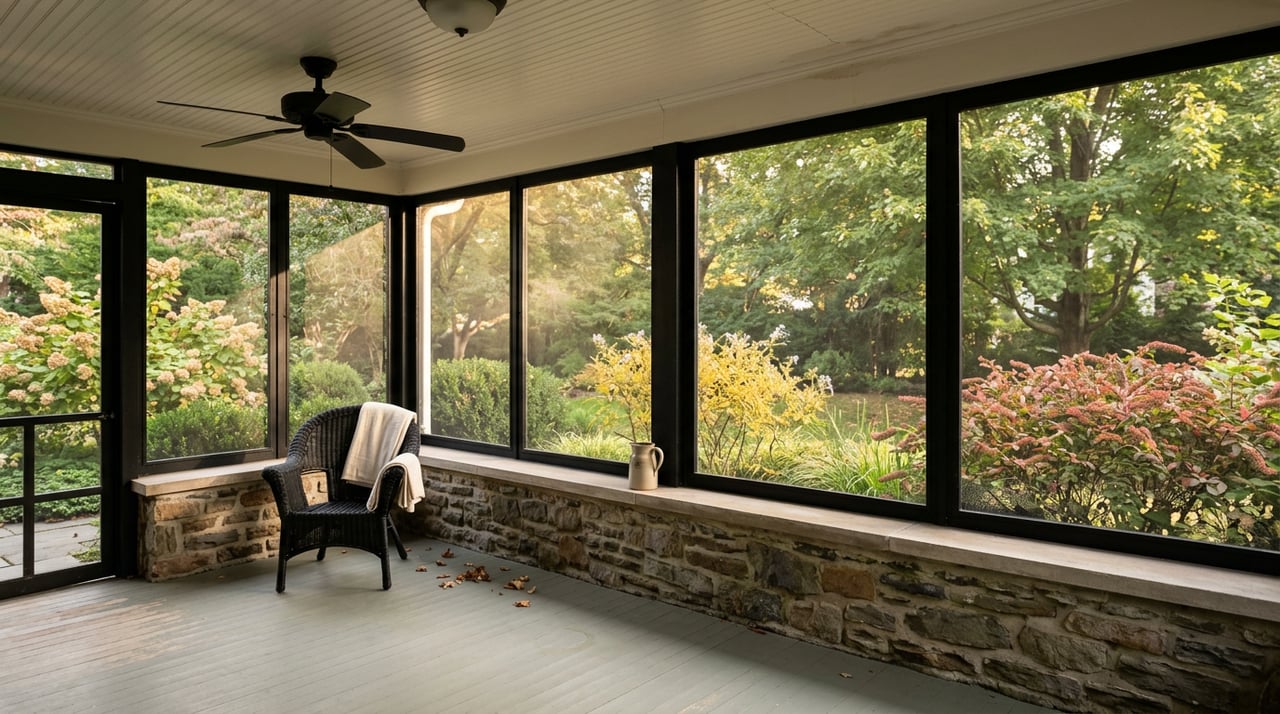
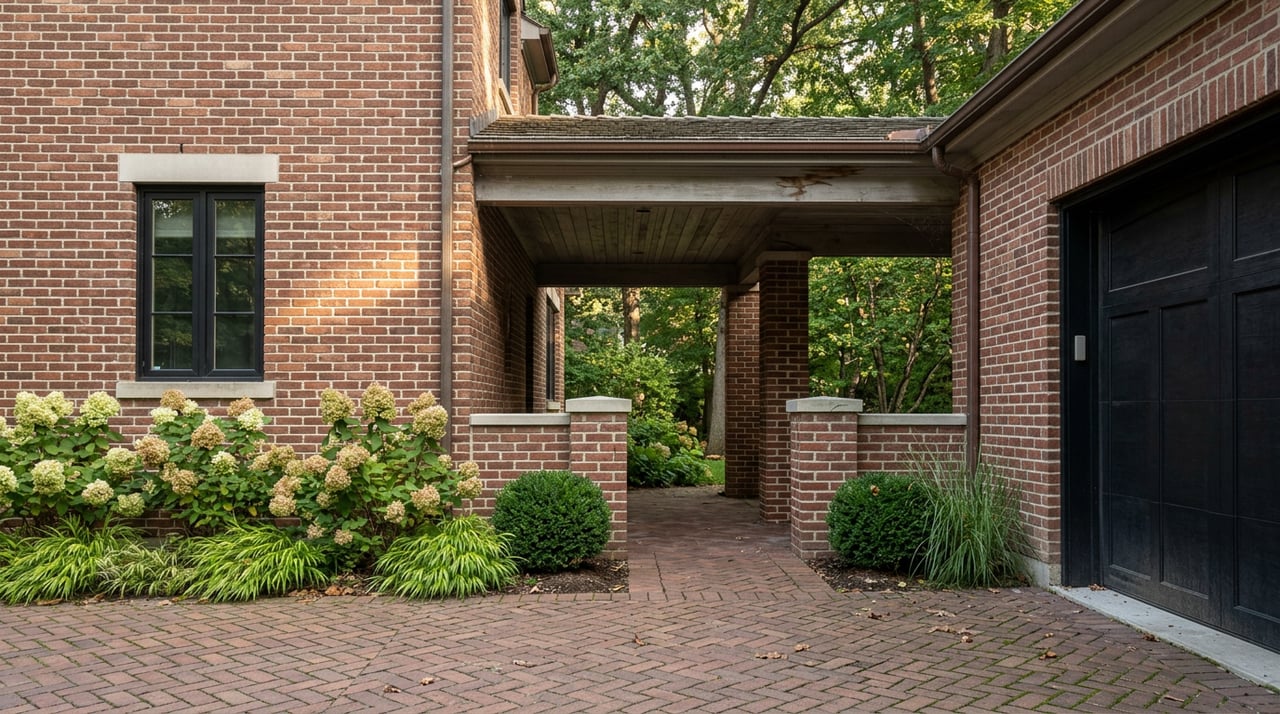
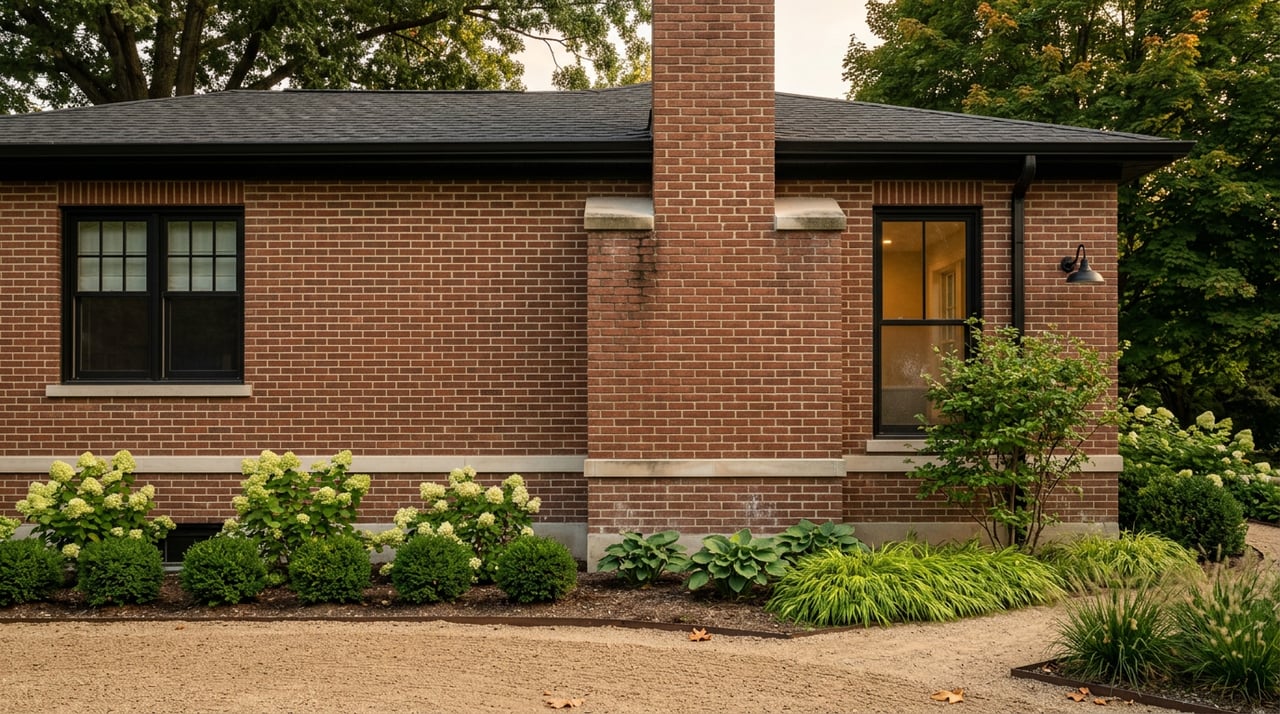
Vintage homes are a defining part of Highland Park's housing market. If you love established homes, mature surroundings, and architecture with history, you will likely spend much of your search looking at older properties.
For many buyers, the draw is clear. Highland Park simply has far more vintage inventory than new construction, which gives you more options in terms of location, lot character, and home style.
Older homes usually come with a different risk profile. They may have older systems, less insulation, or a renovation history that needs close review.
The U.S. Environmental Protection Agency says homes built before 1978 are more likely to contain lead-based paint, and homes built before 1940 are especially likely to have it. Since 23.9% of Highland Park's housing stock predates 1940, lead-safe renovation questions are especially relevant here.
Energy performance can also vary. The Department of Energy says many older homes have less insulation than homes built today, and that adding insulation and air sealing can reduce energy bills.
Some older Highland Park properties may be subject to added review for exterior work or major changes. The city has a historic preservation chapter with landmark and historic-district procedures, along with a certificate-of-appropriateness process.
For you as a buyer, that means a future remodel, teardown, or exterior alteration may involve more review than expected. If you are buying with renovation plans in mind, this deserves attention before you commit.
If utility costs and long-term efficiency are high priorities, new construction often has the advantage. Because the home is planned as a system from the ground up, the insulation, air sealing, and building envelope can work together more effectively.
With a vintage home, efficiency can often be improved, but it may take time and investment. Attics, walls, and floor areas next to unheated spaces are important areas to review when you are evaluating an older Highland Park property.
One of the biggest differences between new construction and vintage homes is how much project management you want to take on. A newer home may offer a more straightforward move, while an older home may ask more of you after closing.
That does not make one option better than the other. It simply means your decision should match your comfort level with repairs, updates, permit research, and possible renovation planning.
A strong decision starts with clear due diligence. Whether you are considering a newly built home or a vintage property, ask focused questions early.
If you may renovate, expand, or rebuild later, ask these questions too.
In Highland Park, checking permit history is a practical step for both buyers and sellers. The city's online permitting portal allows users to view detailed permit information and schedule inspections.
For buyers, that can help you better understand prior work on the property. For sellers, clear permit records can help support a smoother transaction when questions come up.
If you want lower near-term systems work, more current energy-code alignment, and a home that may feel more turnkey, new construction may be the better fit. If you value a broader selection of homes, established architecture, and the chance to personalize over time, a vintage home may make more sense.
In Highland Park, this decision is usually less about old versus new in a simple style sense. It is more about your risk tolerance, energy goals, renovation appetite, and how much complexity you are willing to take on during and after the purchase.
Whether you are comparing a rebuild to a classic older home, or preparing to position your current property for the market, having local guidance can make the process feel much clearer. If you are weighing your next move in Highland Park, connect with Deb Baker for thoughtful, hands-on guidance tailored to your goals.
Home
Get assistance in determining current property value, crafting a competitive offer, writing and negotiating a contract, and much more. Contact me today.