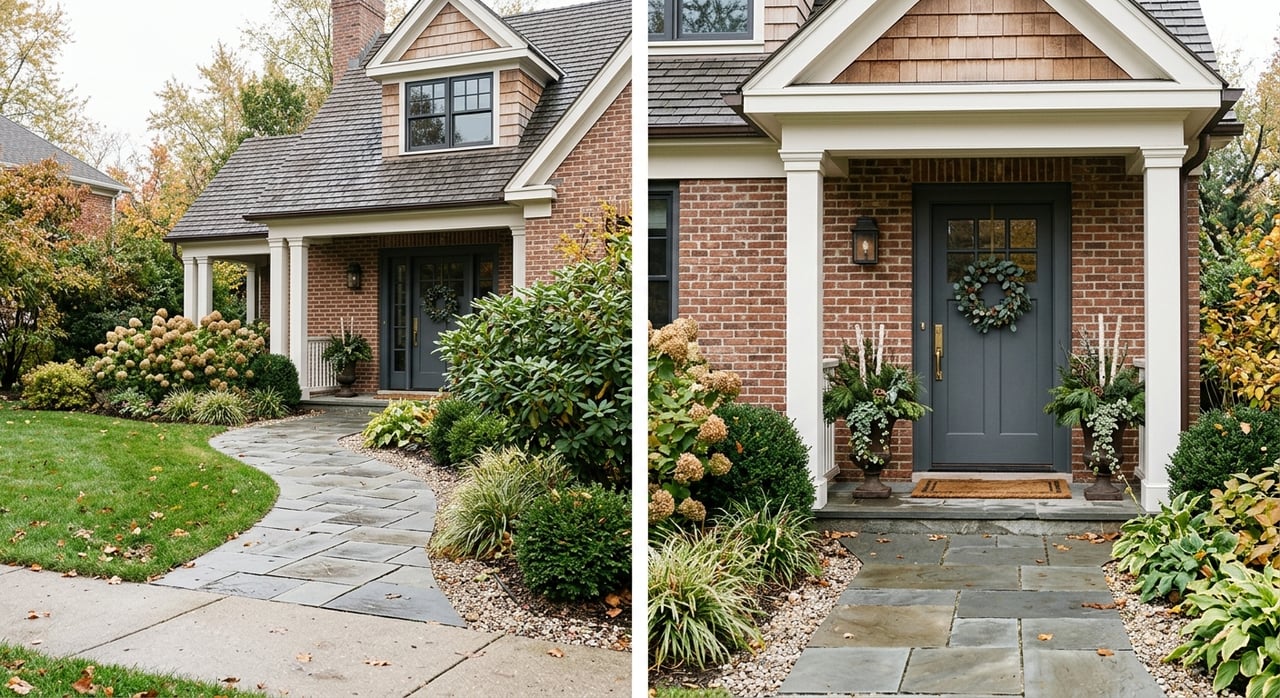
Is Winnetka Walk to Town Living the Right Fit?
June 25, 2026
June 25, 2026
Wondering if “walk-to-town” in Winnetka means true everyday convenience or just a nice selling point? If you are hoping for a home where coffee, errands, the train, parks, and even the lakefront feel more connected to daily life, Winnetka offers a version of that lifestyle that is distinct, charming, and very location-specific. The key is understanding how the village is laid out, what housing near the core really looks like, and what trade-offs often come with that convenience. Let’s dive in.
One of the most important things to know is that Winnetka does not revolve around one single downtown. The village describes itself as a historic small-town community with three distinct shopping districts: Hubbard Woods, Elm, and Indian Hill.
That matters because walk-to-town living here is really about living near one of these village centers. Instead of picturing one dense urban-style core, it is more accurate to think of Winnetka as a set of connected neighborhood hubs where errands, dining, and station access shape daily routines.
In Winnetka, walk-to-town living often means your day can unfold in smaller, easier trips. You might head out for a quick errand, stop for coffee, walk to the train, or spend time in a nearby park without needing to plan around a long drive.
The village notes that its shops, restaurants, and specialty merchants are frequent stops for local residents and also draw visitors from nearby communities. That points to a lifestyle centered less on big-city density and more on practical, close-at-hand convenience.
A big part of the appeal is rail access. Winnetka is served by Metra’s Union Pacific North line, and current service includes stops at Winnetka, Hubbard Woods, and Indian Hill.
That means village-center living is not just about being close to local businesses. It is also closely tied to commuter rail, which can be a major advantage if you want a routine built around walking to the station as well as walking to daily essentials.
Even in a walkable setting, parking remains part of the equation. Winnetka designates commuter parking around the three train stations, and the village says on-street parking is generally allowed from 6 AM to 2 AM.
Off-street lots are reserved for commuters and business-district users, and apartment residents in business districts can purchase a Zone C permit. For buyers, this is a helpful reminder that convenience in the core often comes with more structured parking rules than you may find in other parts of the village.
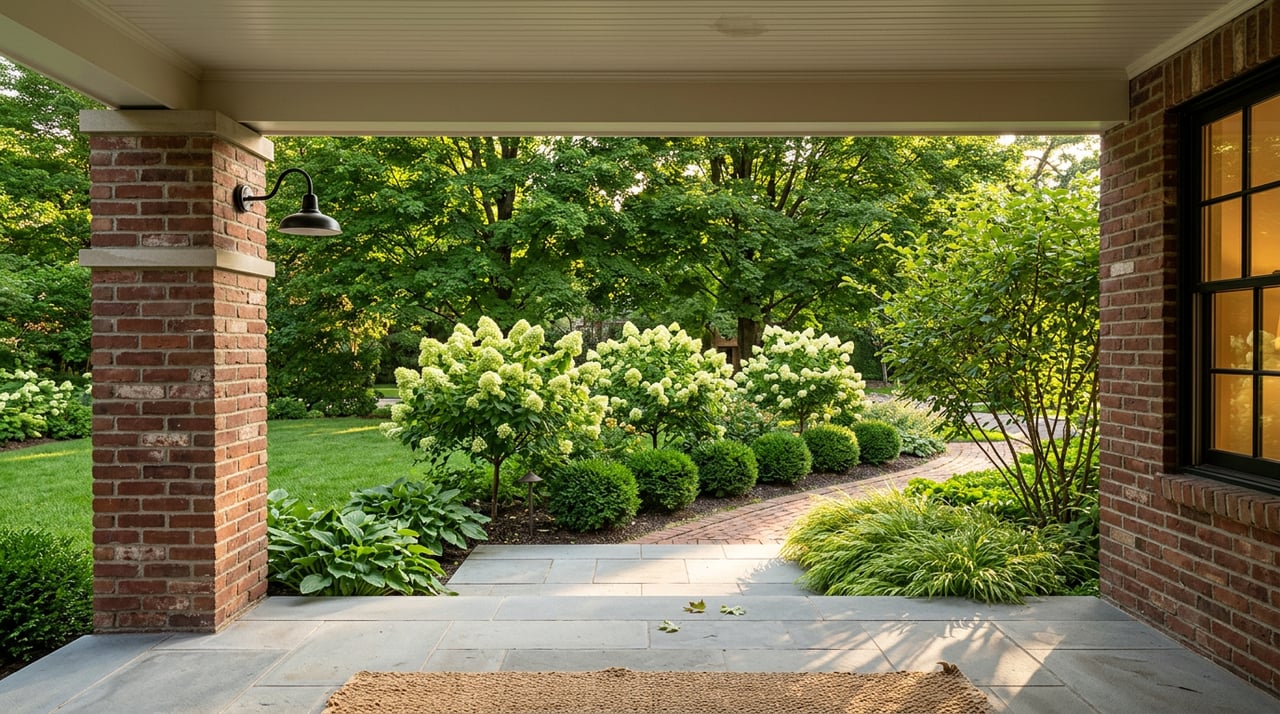
Walk-to-town living in Winnetka is not only about shops and the train. The local amenity mix also includes parks and access to the lakefront, which can make the in-town lifestyle feel especially well-rounded.
Winnetka Park District lists Hubbard Woods Park, Dwyer Park, Station Park, Indian Hill Park, and other neighborhood parks. The village also notes four public beaches and a boat launch, so outdoor recreation can be part of your regular routine, not just a weekend plan.
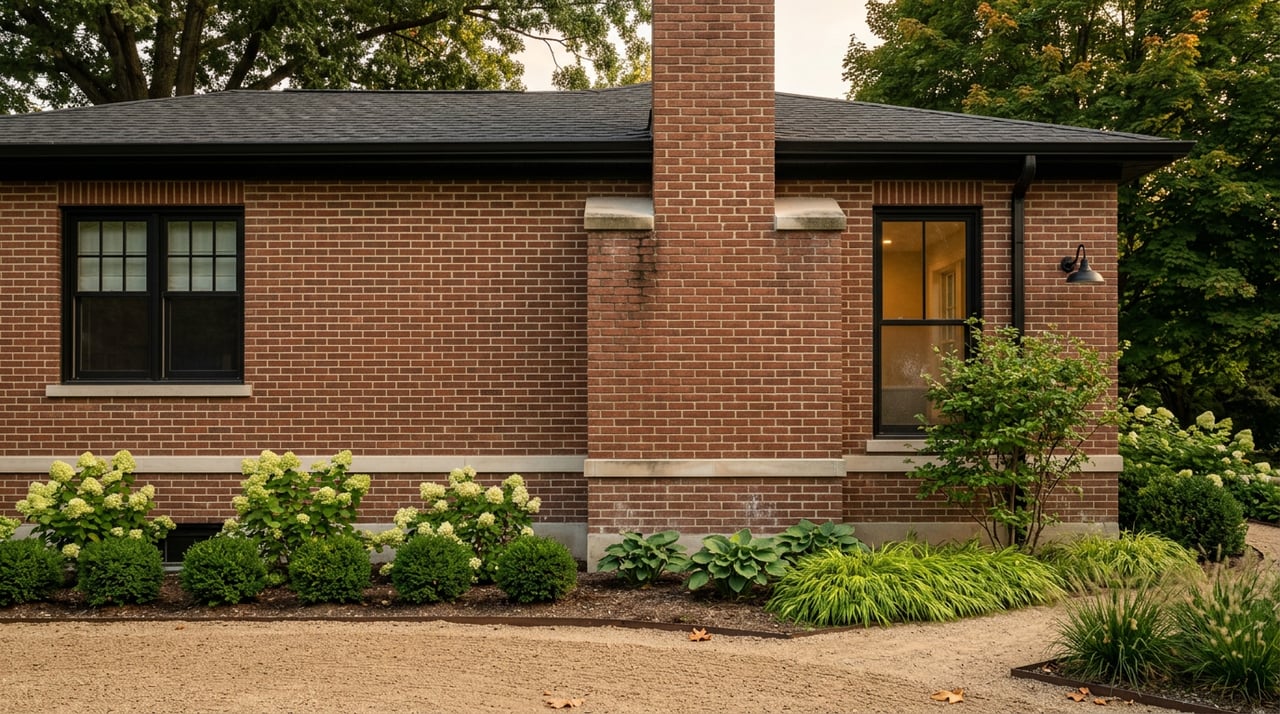
If you are picturing one standard “in-town” home type, Winnetka may surprise you. The village has a broad architectural mix, with designated landmarks that include Gothic Revival, Queen Anne, Georgian Revival, Tudor Revival, French Revival, Colonial Revival, Federal, and Swedish examples.
The Winnetka Historical Society also notes that Tudor Revival became the village’s most pervasive style. In practical terms, that means buyers can find a visually diverse housing stock near the village centers rather than a one-note streetscape.
Part of that character comes from how Winnetka developed over time. Historical Society research shows that beginning in the 1910s, large estates were subdivided into smaller parcels and developed with traditional styles that fit existing surroundings.
Many of these homes were placed near shops, schools, churches, and the train, often with attached garages. That history helps explain why some in-town areas feel more compact and more pedestrian-oriented than other pockets of Winnetka.
It is also worth knowing that in-town living is not limited to detached homes. Attached and condo-style housing is a real part of the market.
A clear historic example is Winnetka Mews at Green Bay and Pine, which began as the village’s first major apartment complex and later became condominiums. The village’s parking rules for apartment residents in business districts reinforce that multi-family living has an established place in the core.
Convenience and character come at a premium in Winnetka. Current market data shows a high-priced environment across the village, and that includes homes that offer close access to town centers and stations.
MRED’s May 2026 local market update shows a trailing 12-month median sales price of $1,997,500 for detached single-family homes and $639,000 for attached homes in Winnetka. Average market times were 42 days for detached homes and 20 days for attached homes.
Realtor.com’s May 2026 snapshot showed a median listing price of about $1.9 million, 42 active for-sale listings, a median 24 days on market, and a 102% sale-to-list ratio. For you as a buyer or seller, that points to a market where well-located homes can attract strong attention.
The biggest trade-off is usually convenience versus space. Living closer to shops, parks, and train stations often means smaller parcels and a more closely managed environment.
That pattern lines up with Winnetka’s development history, where subdivisions created smaller lots near amenities. It also shows up in the village’s parking and district rules, which reflect how carefully the core areas are managed.
Winnetka’s planning framework covers commercial districts and multi-family residential uses. That helps preserve architectural continuity, but it can also make the in-town experience feel more regulated than in less historic suburban settings.
For some buyers, that structure is part of the appeal because it supports a more cohesive village feel. For others, it is simply something to understand early before focusing your search too narrowly on the town centers.
This lifestyle can be a strong fit if you value being able to leave the car parked more often. If your priorities include train access, quick errands, nearby parks, and a home base connected to one of Winnetka’s village districts, the setup can feel very convenient.
It can also appeal if you are open to a more compact property in exchange for location. Buyers who want maximum lot size or a more private, less managed setting may find that other parts of Winnetka align better with their goals.
Before you commit to walk-to-town living in Winnetka, it helps to get specific. Not every address will deliver the same experience, even within the same village.
Here are a few questions worth asking as you evaluate options:
If you are buying, the most helpful mindset is to think of walk-to-town living as a specific lifestyle choice, not just a map feature. In Winnetka, that choice often means balancing convenience, architectural charm, and rail access against lot size, price, and regulation.
If you are selling a home near one of the village centers, those same points shape how buyers see value. A well-positioned home can stand out because it offers a lifestyle that is hard to replicate elsewhere in the village.
When you are weighing where to buy or how to position a home for sale, local context matters. If you want thoughtful guidance on Winnetka and the North Shore market, Deb Baker can help you evaluate the trade-offs, understand buyer priorities, and move forward with confidence.
Get assistance in determining current property value, crafting a competitive offer, writing and negotiating a contract, and much more. Contact me today.