Explore the Long Grove IL Lifestyle, Charm & Open Space
May 21, 2026
May 21, 2026
If you want a suburb that feels tucked away without feeling disconnected, Long Grove is worth a closer look. This is a place where historic character, protected open space, and larger residential settings shape daily life in a very specific way. Whether you are thinking about buying or preparing to sell, understanding how Long Grove lives can help you make a smarter move. Let’s dive in.
Long Grove is a small village in Lake County with a 2020 population of 8,366 spread across 12.39 square miles. That scale alone tells you something important: this is not a high-density suburb built around tight lots and uniform streetscapes.
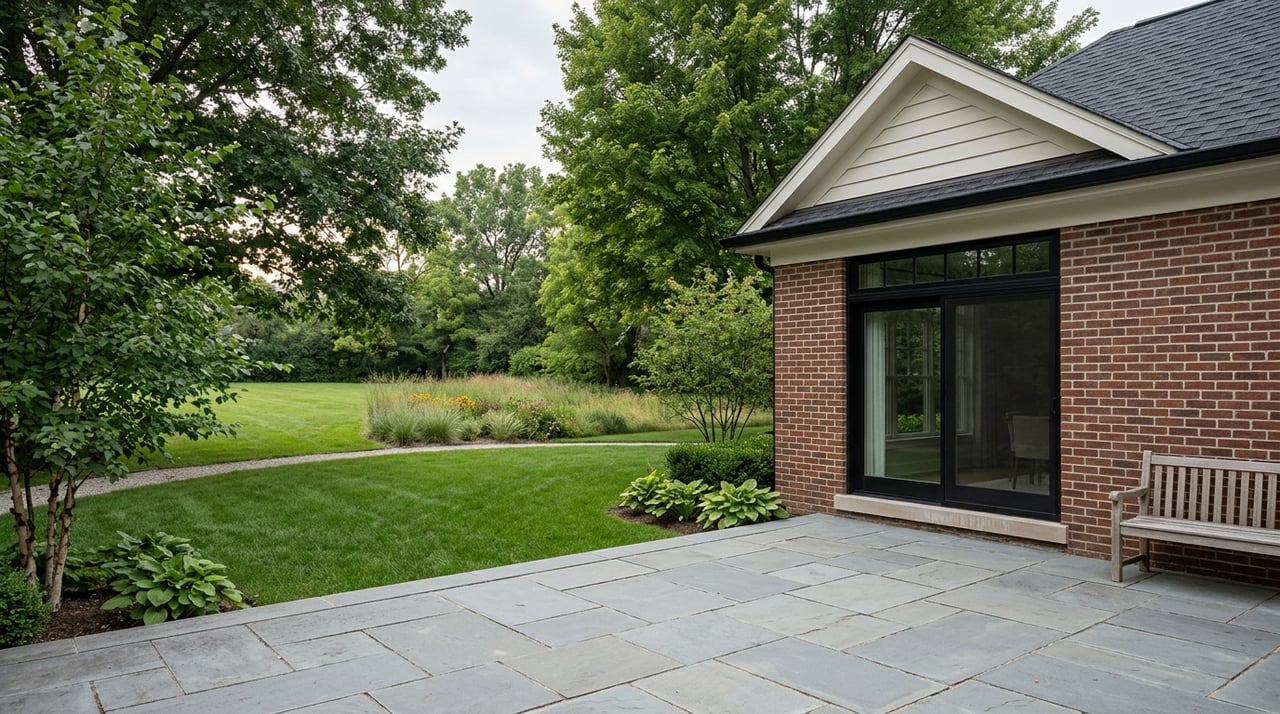
Instead, Long Grove is known for a more pastoral setting. The village describes itself as intentionally planned around nature, large lots, forests, and conservation areas, which gives many neighborhoods a private, open feel that is different from more conventional suburban development.
For buyers, that often means more land, more trees, and a stronger sense of separation between homes. For sellers, it means the setting around your home can be just as important as the floor plan inside it.
One of Long Grove’s biggest draws is its historic downtown. The village describes it as Illinois’ first historic district, created by village ordinance in 1960, and the area remains central to the community’s identity today.
Downtown Long Grove is not trying to be an urban shopping district. Its appeal comes from preserved historic character, a relaxed pace, local businesses, green spaces, and the well-known single-lane covered bridge that gives the district a memorable sense of place.
The downtown business district includes about 120 businesses, with few exceptions open seven days a week year-round. That gives the area steady activity and reinforces its role as both a local gathering place and a destination for visitors.
Because Long Grove sits about 35 miles northwest of Chicago and near Routes 53 and 83, downtown also benefits from regional access. In practical terms, that can strengthen the village’s visibility and make its lifestyle appeal easier for out-of-area buyers to understand.
Long Grove is not just historic. It is also active. The village’s event calendar is a major part of how residents and visitors experience the community.
Annual events include Chocolate Fest in May, Strawberry Fest in late June, and Apple Fest in late September. Craft Beer Fest is another recurring event, and these festivals bring live music, food vendors, seasonal treats, and family-friendly activities into the historic downtown district.
That matters in real estate because buyers are often looking for more than a house. They want to understand how a place feels. In Long Grove, the festival calendar helps create a visible, recurring sense of community life that is easy to picture and easy to talk about.
For sellers, that kind of place-making can be a real advantage. A home in a village with recognizable traditions and destination appeal can resonate with buyers who want both privacy at home and a lively local identity nearby.
If historic charm is one side of Long Grove’s identity, open space is the other. The village says land conservation has long been a top priority, and that focus shows up across the community.
Many subdivision conservancy areas are intended to protect wetlands, flood hazard areas, groundwater recharge areas, and open space. This planning approach helps preserve the village’s natural look and supports the lower-density feel that many buyers specifically seek out in Long Grove.
The result is a residential environment where wooded views, larger yards, and natural buffers are common features. If you value privacy, scenic surroundings, and a slower pace, this aspect of Long Grove may be one of its biggest advantages.
Long Grove’s connection to the outdoors is not limited to private lots and neighborhood landscaping. The village’s planning framework also includes trail connectivity, with a Pathway Committee that reviews pathway plans and focuses on linking trails across the village.
Residents and visitors also have access to notable preserve land within the village boundaries. Long Grove includes both Buffalo Creek and Heron Creek forest preserves, and nearby Reed-Turner Woodland adds another natural setting within the local park district landscape.
Buffalo Creek Forest Preserve spans 408 acres and includes 5.5 miles of gravel trails. Heron Creek offers rolling terrain, mature oak-hickory forest, and a connection to Reed-Turner Woodland, giving the area a strong outdoor identity that supports walking, exploring, and enjoying the natural setting.
For buyers, these features can add long-term lifestyle value. For sellers, nearby open space and trail access can be an important part of how your home is positioned in the market.
Long Grove offers a different ownership experience than many suburban communities. The village notes that many subdivision roads are privately owned and maintained by homeowners associations, and many homes rely on private septic systems and neighborhood or individual wells, while downtown has a municipal water system.
That does not make Long Grove more complicated than other suburbs, but it does make it more specific. If you are buying here, it helps to understand the infrastructure tied to a particular home and neighborhood early in the process.
You should also expect more variation from one property to the next. Because Long Grove is lower density and more landscape-driven, homes may differ more in lot character, utility setup, road maintenance structure, and setting than what you would find in a more standardized subdivision.
A few practical buyer considerations include:
These details are not drawbacks. They are part of what creates Long Grove’s distinct appeal. The key is working with a local expert who can help you compare properties in a clear, practical way.
In Long Grove, lifestyle marketing matters. Buyers are often responding not only to square footage and finishes, but also to setting, privacy, views, and how the home connects to the village’s broader character.
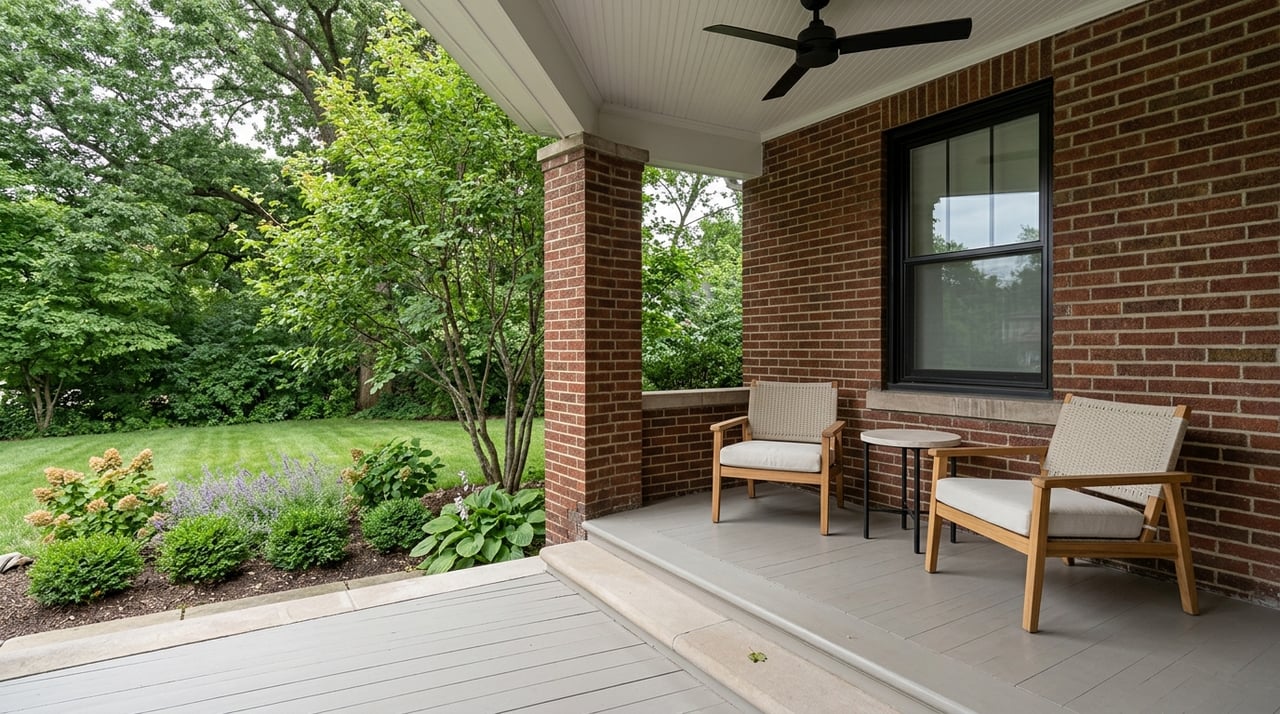
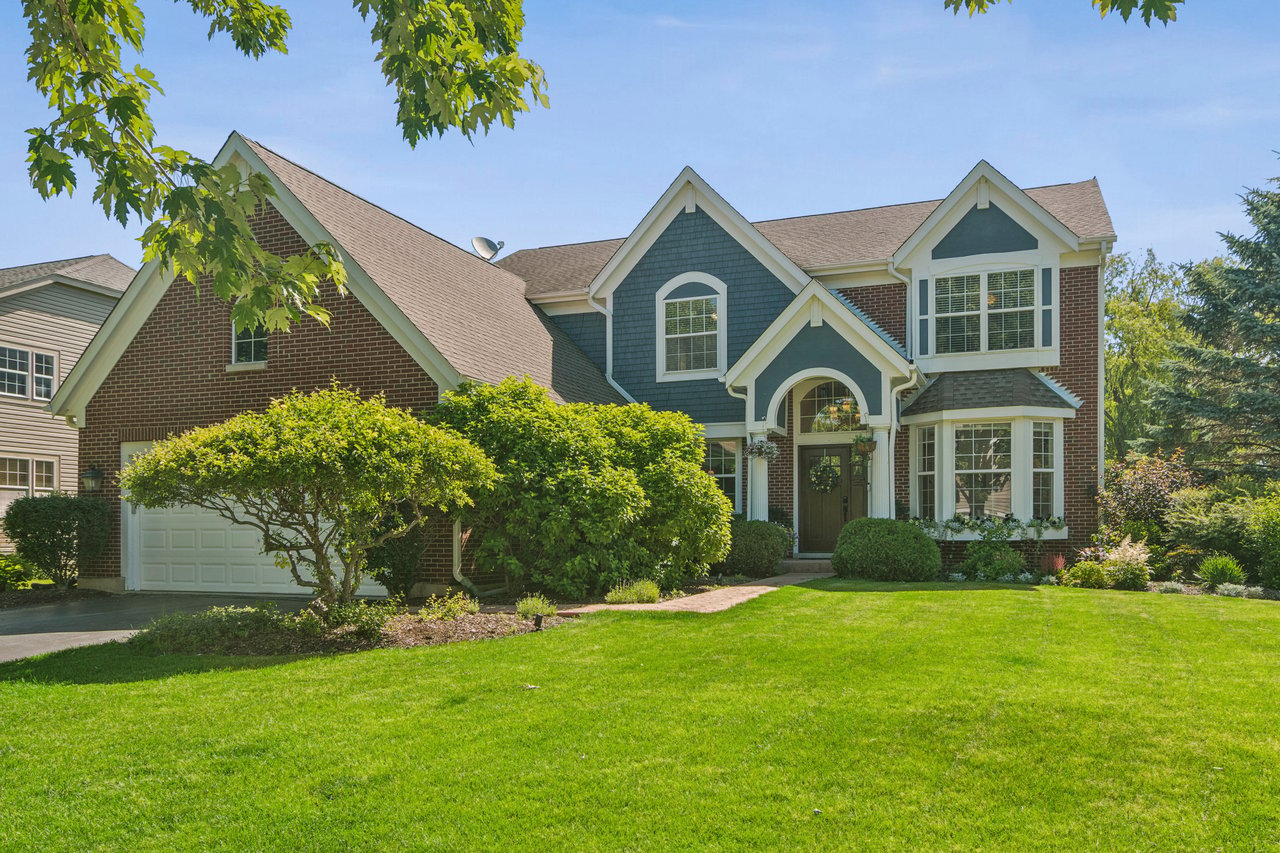
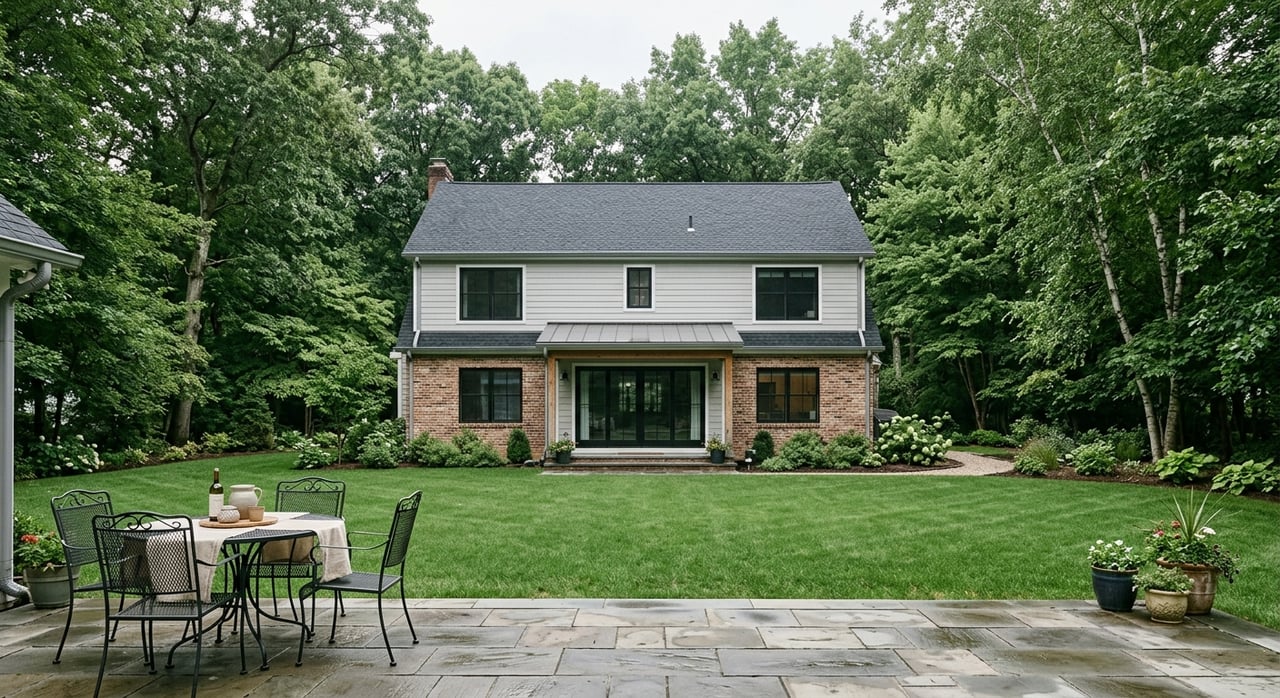
That means presentation should tell a complete story. A well-prepared listing should capture the home itself, but also the lot, mature landscaping, outdoor living areas, approach from the road, and any relationship to open space or natural surroundings.
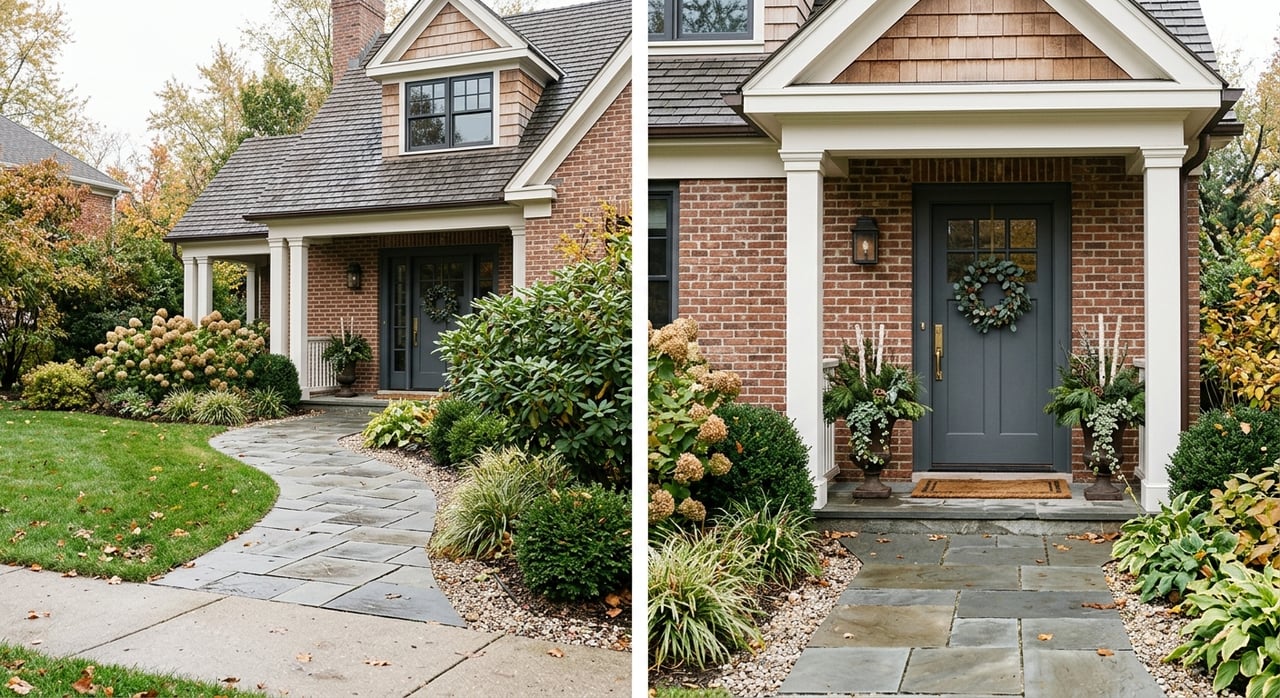
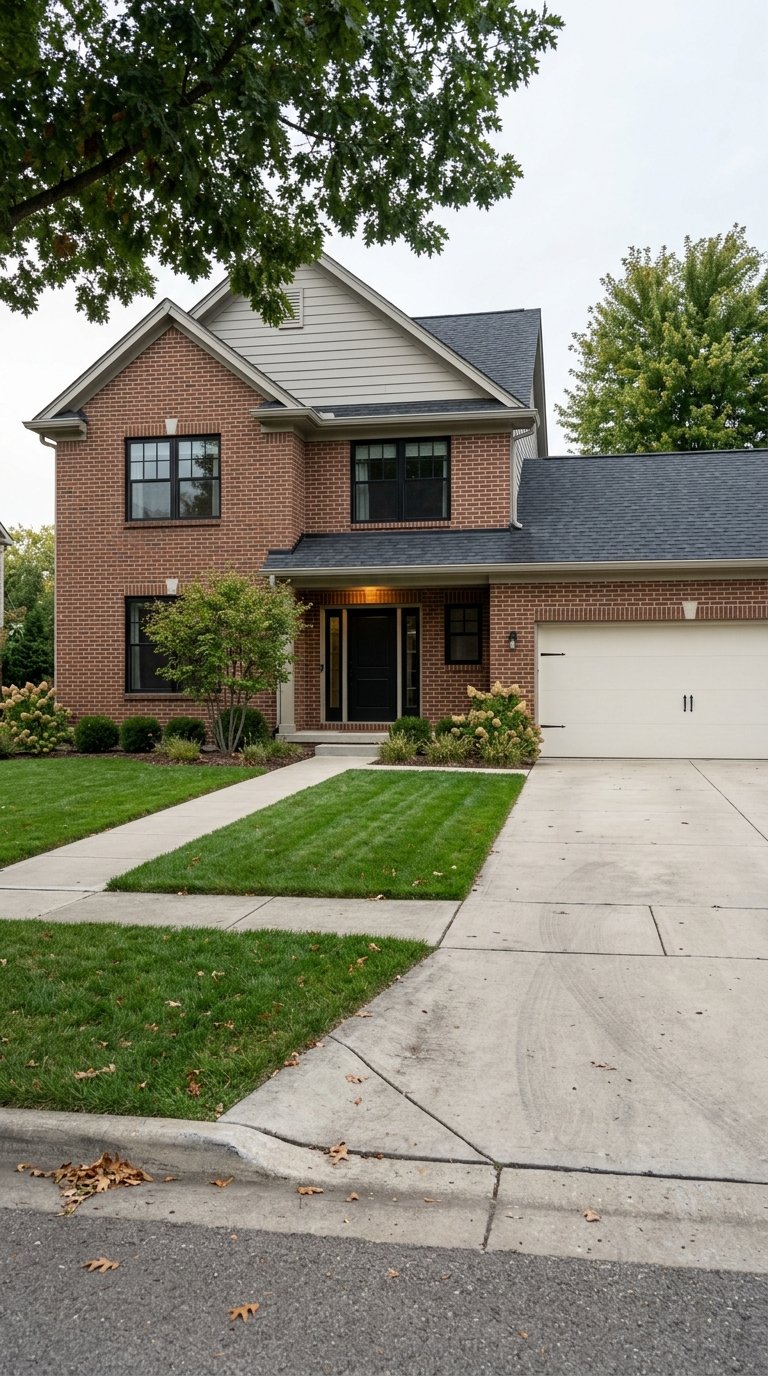
For many homes in this market, curb appeal is especially important. Since Long Grove has a wooded, lower-density feel, exterior presentation can influence first impressions as much as interior updates do.
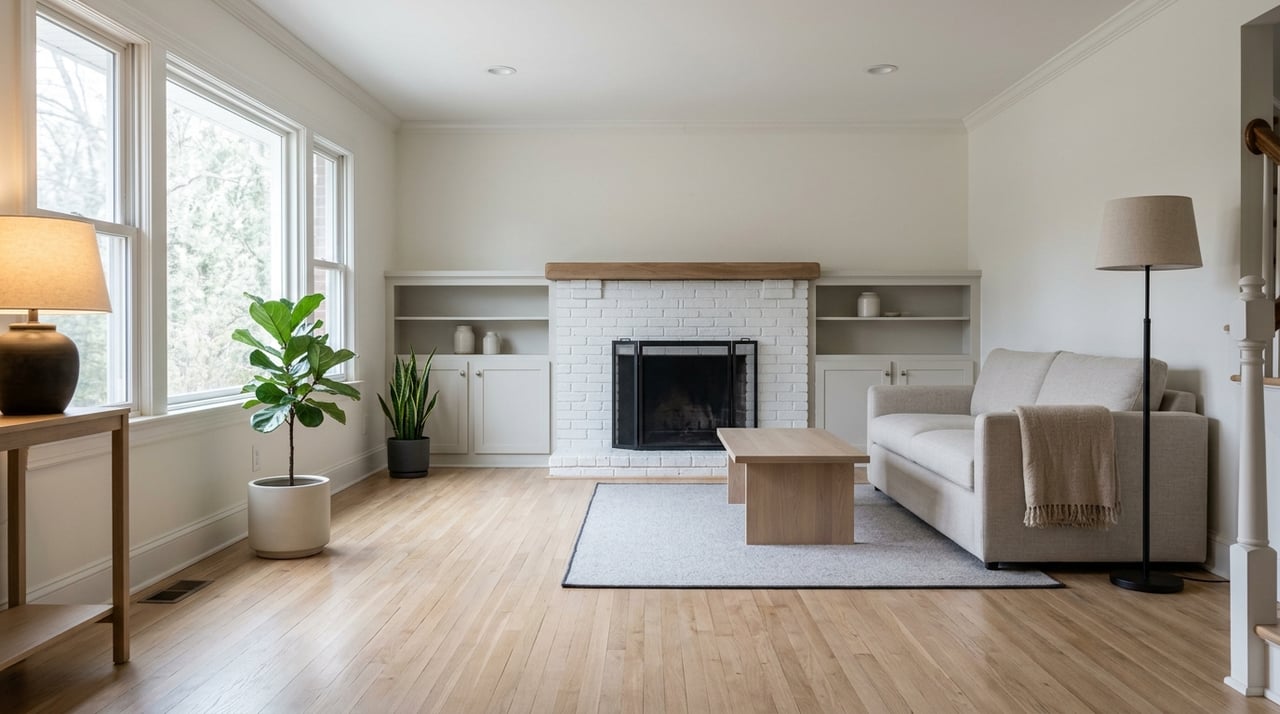
At Deb Baker Homes, that is why staging-first presentation and curated marketing are so valuable for suburban properties like these. The right prep work and positioning can help buyers see not just a house, but the full experience of living there.
A few core data points help frame the market and lifestyle context in Long Grove.
| Metric | Long Grove Snapshot |
|---|---|
| Population | 8,366 |
| Land area | 12.39 square miles |
| Owner-occupied housing rate | 96.3% |
| Median owner-occupied home value | $804,600 |
| Median household income | $250,000+ |
| Mean travel time to work | 33.5 minutes |
These figures point to a primarily owner-occupied community with higher home values and strong regional connectivity. For both buyers and sellers, that supports Long Grove’s position as a distinctive upper-tier suburban market in northern Chicagoland.
Long Grove tends to appeal to buyers who want more room and a stronger connection to the landscape. If you are looking for a compact, highly uniform neighborhood, this may not be the right match.
But if you want larger residential settings, historic character nearby, and a community identity shaped by conservation and tradition, Long Grove checks a lot of boxes. It can be especially attractive for move-up buyers, relocation buyers seeking a more established suburban feel, and downsizers who still want privacy and setting.
For sellers, that also means your likely buyer is often making an emotional decision as much as a practical one. They are buying into the village’s atmosphere, not just the property address.
Because Long Grove is so setting-driven, generic marketing usually falls flat. Buyers need help understanding what makes one part of the village feel different from another and how a specific property fits into the broader Long Grove lifestyle.
That is where tailored guidance matters. For buyers, it means evaluating not just finishes and price, but infrastructure, setting, commute patterns, and long-term fit. For sellers, it means a thoughtful launch strategy, polished presentation, and strong negotiation built around the home’s full value story.
In a market where privacy, landscape, and heritage all matter, details matter too. A boutique, hands-on approach can make a meaningful difference.
If you are thinking about buying or selling in Long Grove, working with a team that understands how to position distinctive suburban homes can help you move with more clarity and confidence. To start the conversation, connect with Deb Baker.
Home
Get assistance in determining current property value, crafting a competitive offer, writing and negotiating a contract, and much more. Contact me today.