Glencoe vs Winnetka Homes: Which Village Suits You?
May 7, 2026
May 7, 2026
Trying to choose between Glencoe and Winnetka? You are not alone. On paper, these two North Shore communities can look very similar, especially if you are focused on lakefront living, a suburban setting, and an easy connection to Chicago. The real difference often comes down to how you want your daily life to feel, and that is where a closer comparison helps. Let’s dive in.
At a high level, Glencoe and Winnetka offer two different village patterns. Glencoe is built around one Central Business District that serves as the heart of community life. Winnetka, by contrast, organizes retail and civic activity across three business districts.
That difference matters more than many buyers expect. If you want a more centralized village feel where errands, train access, and downtown activity cluster together, Glencoe may stand out. If you prefer a community with several distinct hubs and a more node-based routine, Winnetka may feel like a better match.
Glencoe’s planning documents describe a concentrated downtown core, with the central block bounded by Park, Vernon, Hazel, and Village Court serving as the center of activity. The village’s Connect Glencoe planning also focuses on linking downtown businesses, the lakefront, and the train station.
For you as a buyer, that can translate into a more connected everyday rhythm. Coffee, quick errands, park time, and transit can feel more naturally grouped together. If you value a walkable core where daily routines feel efficient and centered, Glencoe has a strong appeal.
Winnetka works differently. Elm Street is described by the village as the main hub of business and civic life, but it is one of three shopping districts, along with Hubbard Woods and Indian Hill. Winnetka also has three Metra stations, with commuter parking tied to those stations.
This setup gives you more district-to-district variety. Different parts of town can support different routines, but moving between those areas often takes more planning. For some buyers, that variety feels dynamic and flexible. For others, it may feel less centralized than they want.
Glencoe’s residential design guidance describes a village that developed in layers from the railroad and the lakefront. East Glencoe is associated with larger lots and residences, while Central Glencoe includes smaller lots near downtown and larger lots closer to Skokie Country Club.
The village also notes a longstanding tradition of welcoming a diverse mix of architectural styles. At the same time, recent planning has raised concern about the loss of smaller homes to larger replacement homes and has called for preserving moderately sized homes while expanding housing options.
For you, that means Glencoe offers meaningful variety within a relatively compact footprint. You may notice clear differences from one part of the village to another, even though the overall community feels tightly connected.
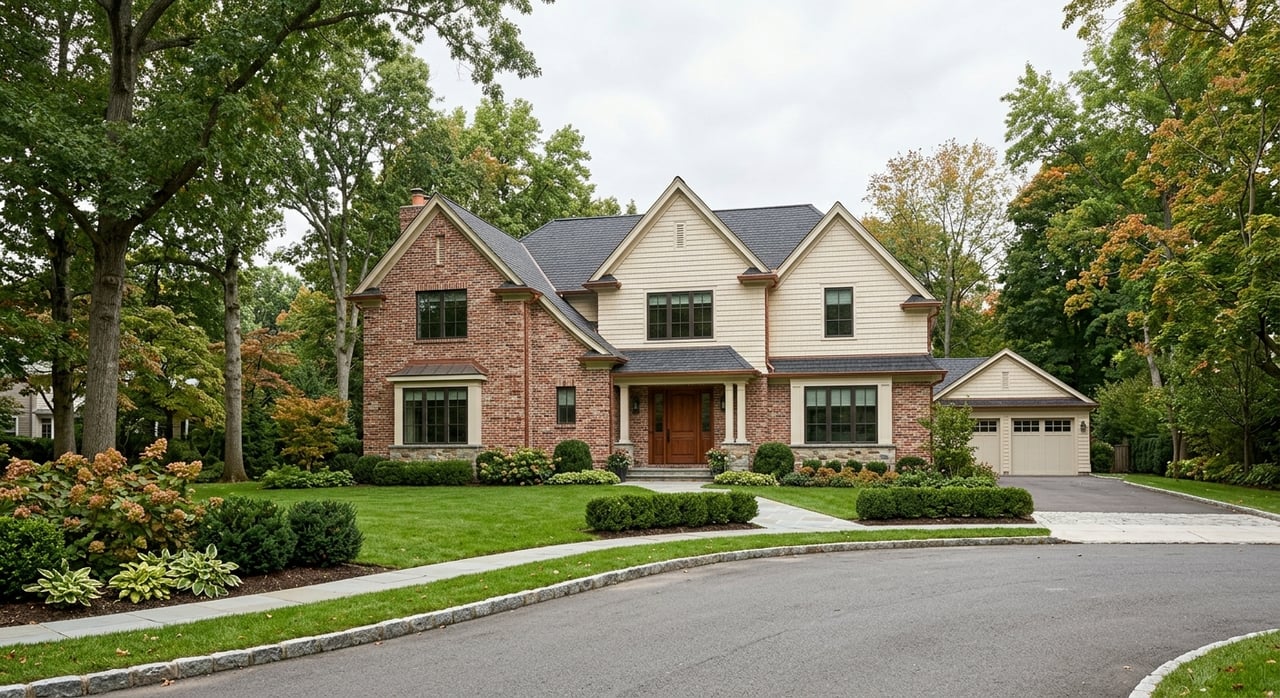
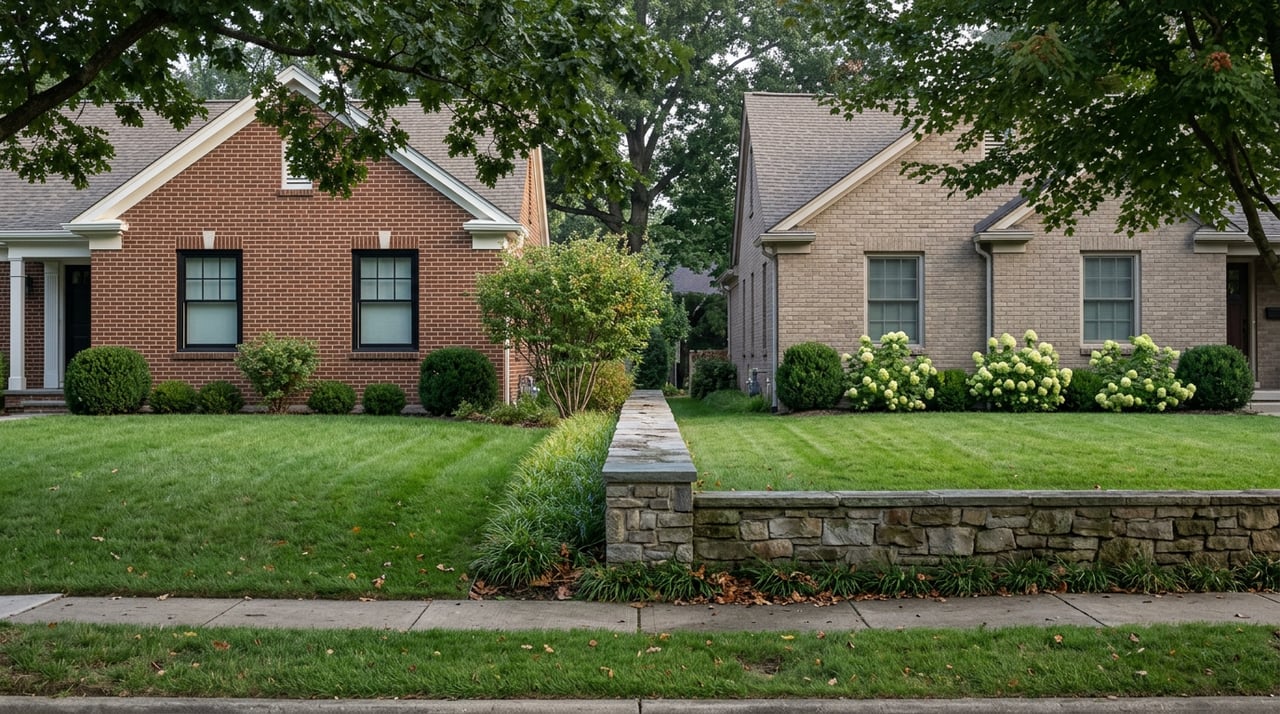
Winnetka’s housing stock is also varied, but in a broader way. The village describes homes ranging from large lakefront properties to modest downtown bungalows, and it says there is no single design theme.
Its landmark inventory includes styles such as Queen Anne, Tudor Revival, Georgian Revival, Colonial Revival, French Revival, and Swedish Arts and Crafts. Winnetka also has formal preservation policies for historically or architecturally significant homes, which helps explain why many areas feel layered and distinct rather than visually uniform.
If you enjoy a wide span of home types and architectural character, Winnetka may give you more to compare. The range can be especially appealing if you want choices across different districts and settings.
For many North Shore buyers, the lakefront is part of the decision, not just an added bonus. In Glencoe, the lakefront is closely tied to the village center. Lakefront Park sits between Longwood Park and Hazel Avenue, overlooks Lake Michigan, and provides access to both Glencoe Beach and Perlman Boating Beach.
Park district materials describe this lakefront park as centrally located and within sight and walking distance of the historic train station. That suggests the shoreline is woven into daily life rather than feeling like a separate destination. If you picture walking from downtown activity toward the water in one continuous experience, Glencoe may align well with that vision.
Winnetka’s lakefront experience is broader and more segmented. The village highlights sandy beaches and park district recreation, and current planning references Centennial Park & Beach and Elder Lane Park & Beach.
Village regulations also show that bluff and shoreline issues are an active municipal concern. For you, that may mean a shoreline system with multiple access points and a wider geographic spread. If you like the idea of more separate beach and park destinations across the community, Winnetka may offer that broader pattern.
When buyers compare Glencoe and Winnetka, the biggest difference often shows up in daily movement. Glencoe tends to support a more compact routine centered around one downtown and an integrated lakefront. Winnetka tends to support a more distributed routine shaped by several districts and three train stations.
Neither pattern is better across the board. It simply depends on how you want your week to flow. Some buyers love having one core area that anchors their day, while others appreciate the variety that comes with multiple hubs.
Current market data points to a pricing difference between the two communities. In March 2026, Glencoe’s median sale price was $2.0M. Homes sold in about 35 days, and 62.5% of sales closed above list price.
In Winnetka, the March 2026 median sale price was $1.72M. Homes sold in about 29 days, 42.9% of sales closed above list price, and homes received an average of four offers.
That suggests Winnetka may be somewhat more accessible at the median, though both markets remain competitive. In both places, well-priced and well-presented homes can move quickly. If you are weighing value, it helps to look beyond median price alone and focus on what you are getting in lot size, setting, architectural style, and proximity to the village features you care about most.
If you are still torn, try narrowing your decision around a few practical questions:
These questions can quickly clarify what matters most. In many cases, the right choice is less about which town is more prestigious and more about which one supports the life you actually want to live.
Online search can tell you pricing, square footage, and days on market, but it rarely shows you how a place feels from one block to the next. That is especially true in communities like Glencoe and Winnetka, where the layout of downtowns, the relationship to the lakefront, and the mix of housing styles can shape your experience just as much as the home itself.
That is where local guidance makes a difference. A thoughtful comparison helps you connect the numbers to real-world routines, from your commute and errands to the kind of setting that feels most natural once you move in.
If you are comparing Glencoe and Winnetka and want a clear, tailored perspective on where your budget and lifestyle goals line up best, Deb Baker can help you evaluate both communities with the kind of local insight that makes your next move feel confident and well planned.
Get assistance in determining current property value, crafting a competitive offer, writing and negotiating a contract, and much more. Contact me today.