Buying In Lincolnshire: Newer Builds Versus Established Homes
March 24, 2026
March 24, 2026
Torn between the ease of a brand‑new home and the setting of an established property in Lincolnshire? You are not alone. It is a classic trade-off: modern layouts and warranties on one side, mature trees and larger lots on the other. In this guide, you will get a clear, local look at how newer builds compare with established homes in Lincolnshire, including lot sizes, maintenance, warranties, commute, and schools. Let’s dive in.
Lincolnshire is a largely built‑out suburb with a distinctive, wooded feel. Village zoning preserves that character with large single‑family districts: R1 at about 80,000 square feet (about 1.84 acres), R2 at about 40,000 square feet (about 0.92 acres), and R2A/R3 at about 20,000 square feet (about 0.46 acres). These minimums explain why many established neighborhoods feel spacious and private. You can review the district descriptions and lot standards in the Village’s zoning overview on the Lincolnshire website.
Lincolnshire’s housing stock is mixed by age. A substantial share of homes were built since 2000, with earlier waves from the 1960s through the 1990s. That means you will find post‑2000 neighborhoods and infill, plus mature, tree‑lined areas with mid‑ to late‑20th‑century homes. For context, see the Village’s housing analysis sourced to the American Community Survey.
For daily life, the Village highlights convenient access to I‑94 and proximity to nearby Metra stops, plus it is about 32 miles to downtown Chicago. Actual commute time will depend on the route and time of day, but the Tri‑State connection is a practical anchor for many residents.
On pricing, sample sizes can be small month to month. For example, Redfin showed a February 2026 median sale price of about $990,000 in Lincolnshire based on a handful of closings that month. Zillow and Realtor report different trend indices over longer windows. When you compare prices, note the source, the date, and the sample size to avoid over‑interpreting a single month.
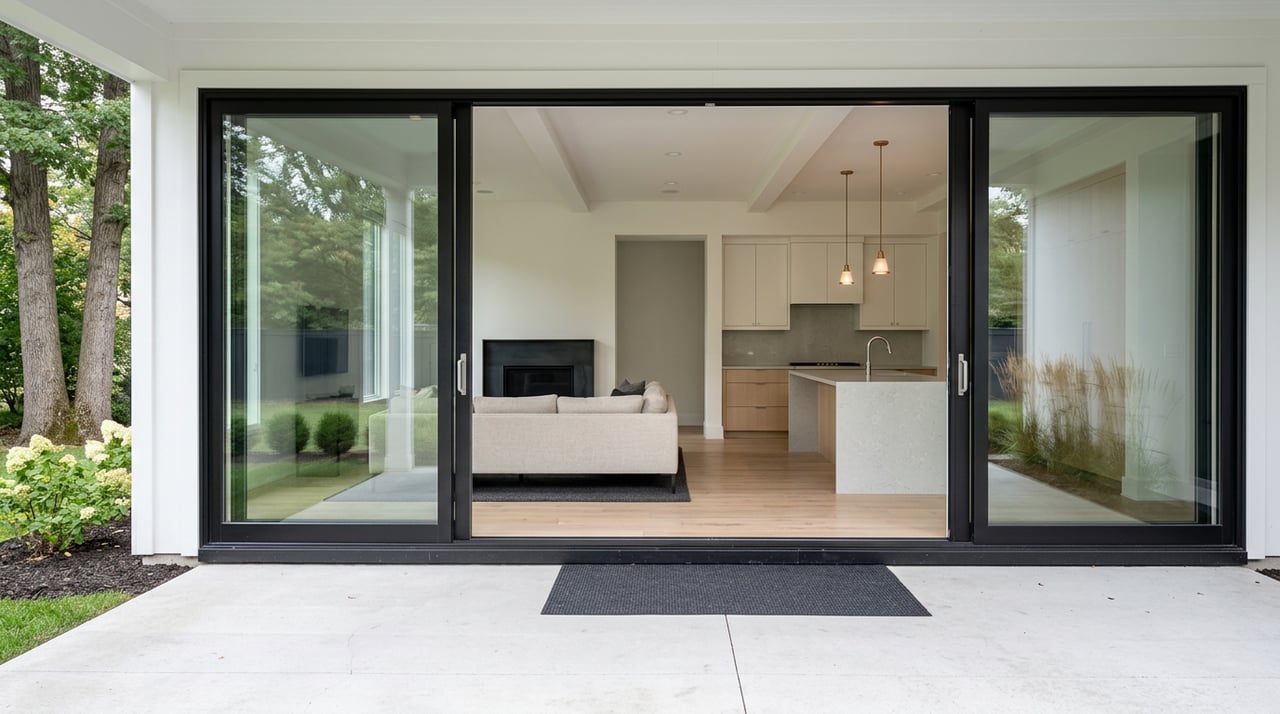
If you like an open concept with the kitchen, island seating, and family room flowing together, newer construction often fits the bill. Many plans also include one or more flex rooms for a home office, gym, or play space. Industry research shows buyers consistently value flexible layouts, energy‑efficient features, and technology upgrades, which you commonly see in post‑2000 builds.
Newer homes usually include updated mechanicals, efficient windows, programmable thermostats, and prewiring for smart systems. You can also expect durable surfaces, larger islands, and generous pantry storage. These choices can reduce near‑term maintenance and create day‑to‑day convenience.
Many reputable builders participate in structured warranty programs. A common setup separates coverage by category: workmanship for one year, systems for two years, and qualified structural defect coverage for up to ten years. Always ask for the full written warranty, understand what is excluded, and confirm whether coverage is transferable.
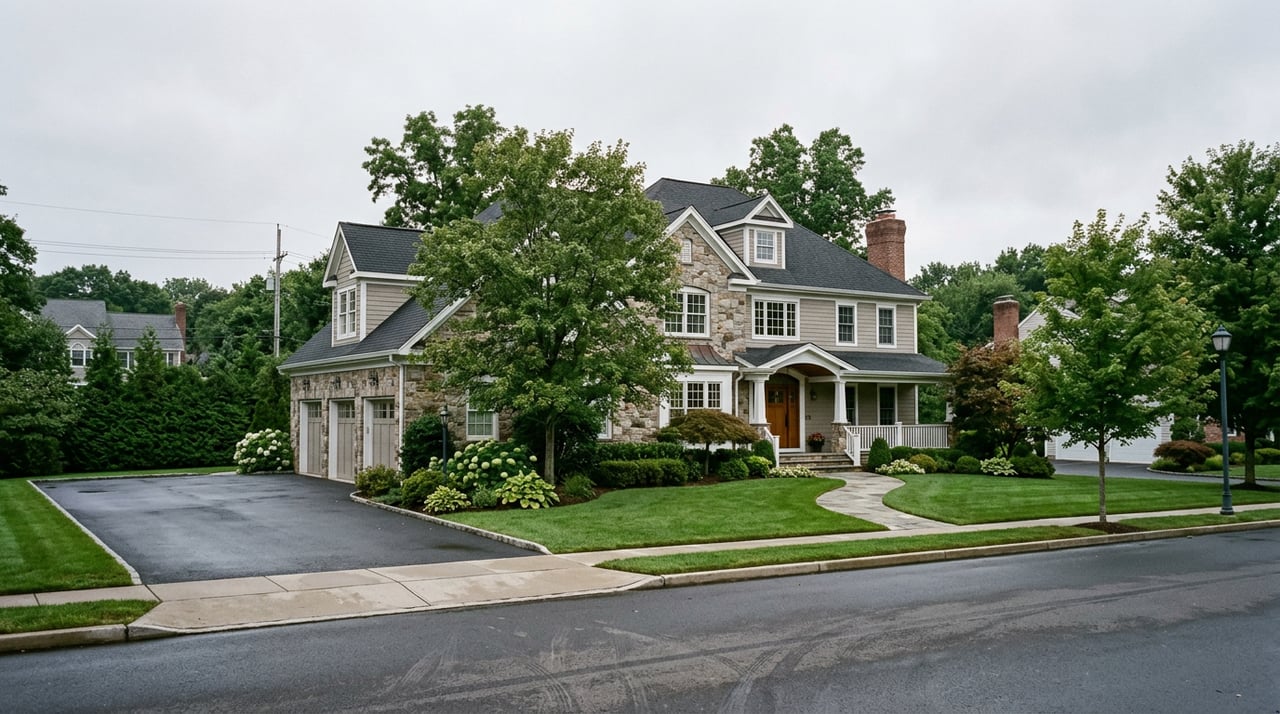
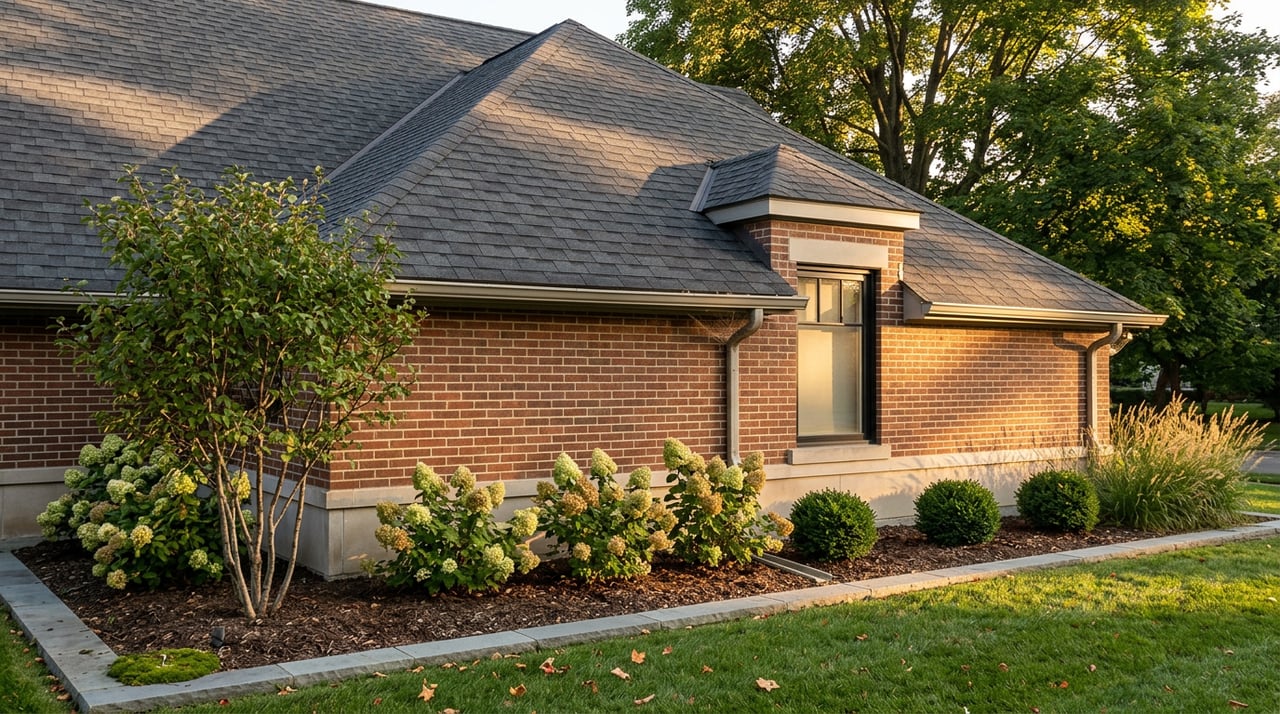
Because Lincolnshire protects a low‑density feel, new single‑family homes are often infill or rebuilds rather than large, high‑density subdivisions. Even when you buy new, lot size and setbacks usually reflect local zoning rules. This helps preserve privacy, tree canopy, and the established look that many buyers value.
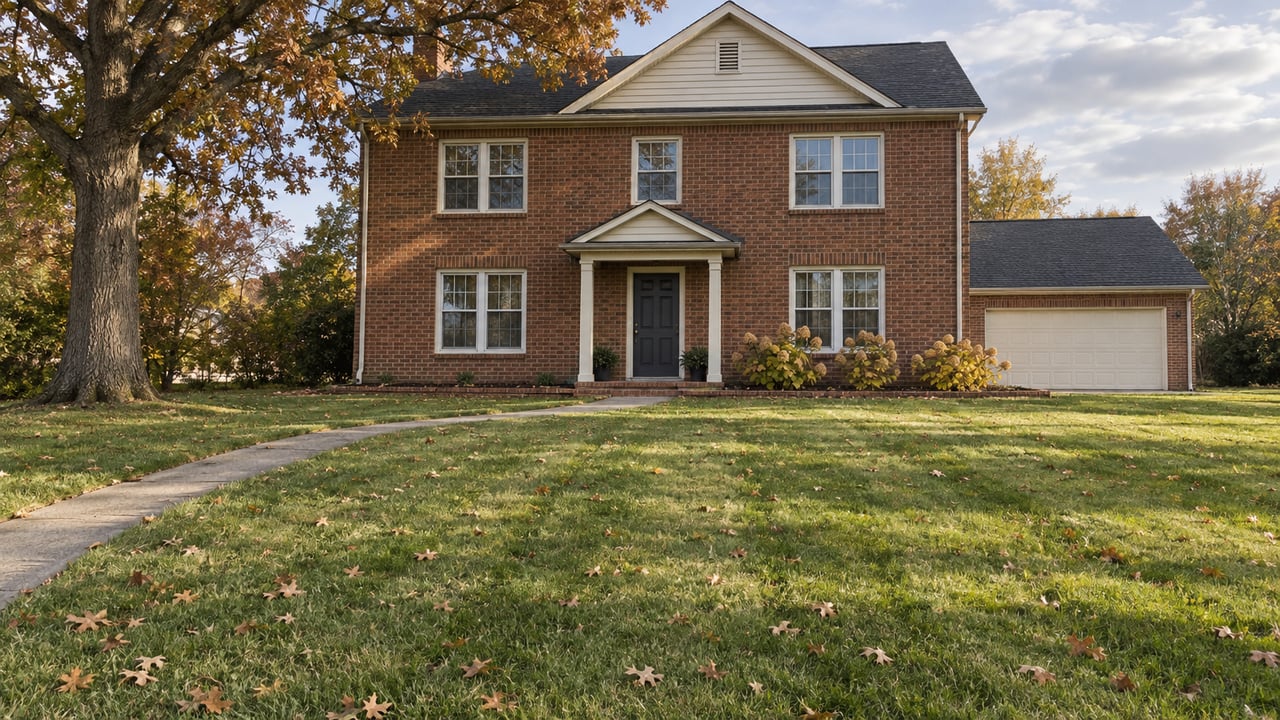
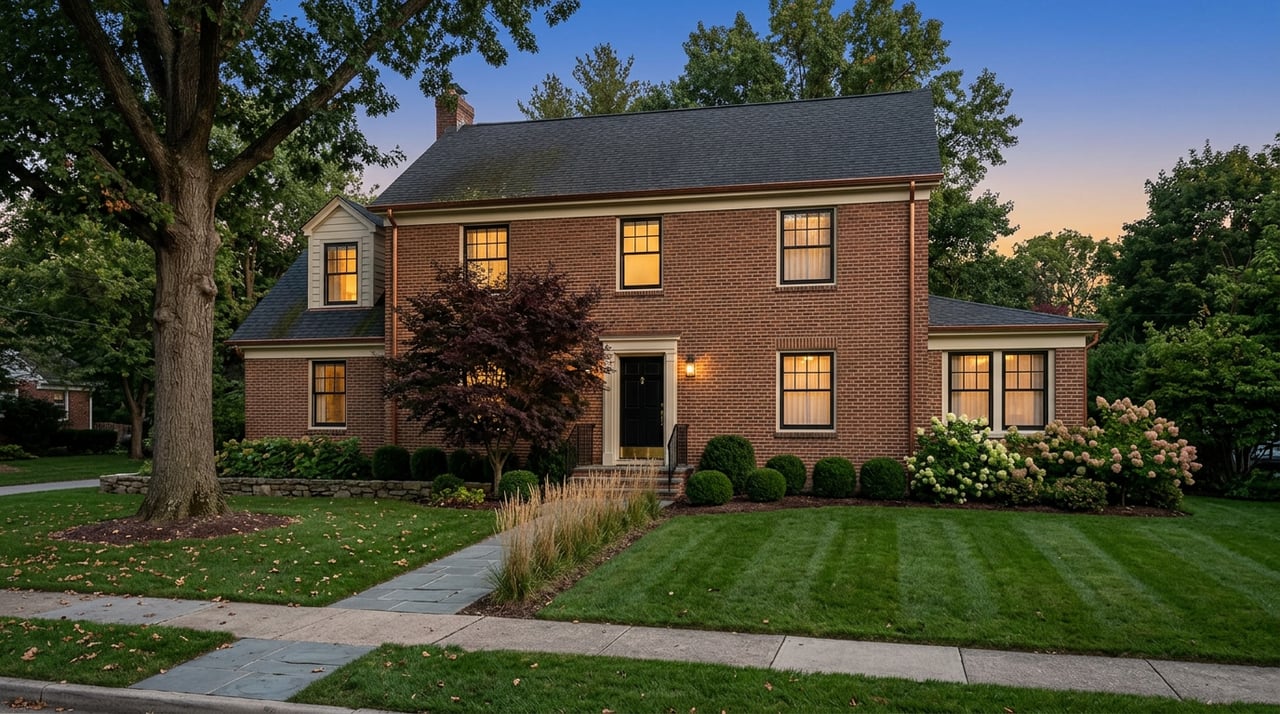
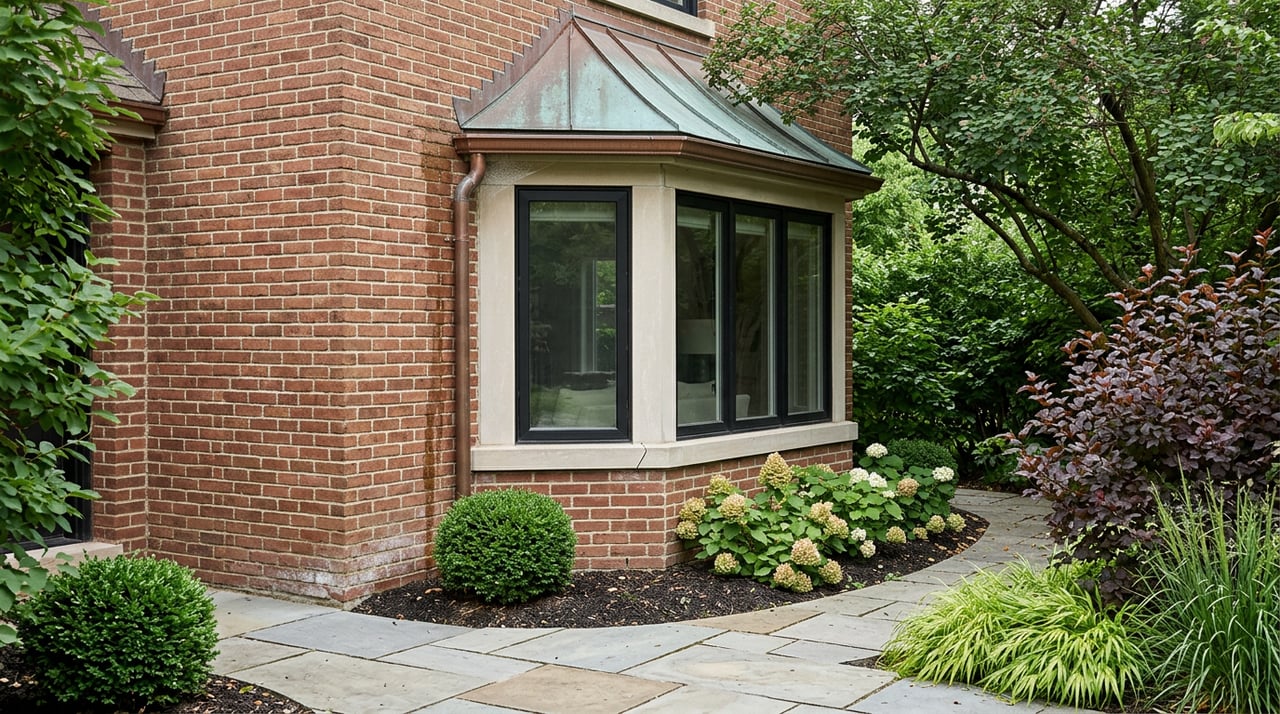
Many established Lincolnshire neighborhoods sit on larger lots with mature landscaping. You will also see architectural variety, including ranch, colonial, split‑level, and traditional styles. If you want space for a garden, outdoor play, or quiet privacy under shade trees, these areas often deliver that setting.
Older homes tend to have more defined rooms, such as separate formal living and dining. Unless updated, kitchens may be more enclosed and baths more modest. That said, many established homes have been thoughtfully remodeled to open up the main level, add a larger primary suite, or finish the basement. Your trade‑off is often more yard and character in exchange for potential interior projects.
With age comes upkeep. Pay attention to mechanicals, the roof, windows, and exterior systems. If you are considering a home built before 1978, be aware that federal rules require lead‑paint disclosure, and lead‑safe practices apply for renovation in older housing. Order a full home inspection and targeted testing where appropriate.
Every option carries ongoing costs. Newer homes may come with homeowners association rules and design guidelines, which can help maintain a consistent look but may add fees. Established homes on larger lots can have higher landscape and snow‑removal costs. Because Lincolnshire includes districts with large minimum lots, plan for mowing, tree care, and irrigation if you want a big yard.
On purchase price, newer builds and fully renovated homes often command a higher price per square foot. Established properties can trade lower up front but may need near‑term capital work. Monthly market medians can swing with small samples, so use recent, like‑kind sales and adjust for lot size, age, and condition instead of relying on a single headline number.
You want space, privacy, and time outdoors. An established neighborhood with larger lots and mature trees can be a great fit. Families often look for nearby parks, forest preserves, and consistent access to local schools. For up‑to‑date district details and boundaries, visit Lincolnshire–Prairie View District 103’s resources.
You prefer a modern layout, efficient systems, and fewer near‑term projects. A newer build or recently rebuilt home can deliver open‑plan living, a larger primary suite, and up‑to‑date mechanicals. If you work from home, dedicated office space and strong wiring can be difference makers.
If you want a refined interior without a long punch list, a newer or extensively updated home may simplify your day‑to‑day. Focus on energy‑efficient features, storage planning, and any HOA services that reduce exterior upkeep while keeping a careful eye on rules that affect personalization.
Use this quick list at showings to compare options with confidence.
Lincolnshire highlights direct access to I‑94 and proximity to Metra stations on the North Central Service. The Village cites roughly 32 miles to downtown Chicago, so you can balance yard size and home type with your preferred commute.
For schools, elementary and middle grades are served by Lincolnshire–Prairie View District 103, and many high school students attend Adlai E. Stevenson High School (District 125). For the most current program information and boundaries, consult the districts directly.
List your must‑haves and nice‑to‑haves. Be specific about layout, yard size, and project tolerance.
Decide your appetite for near‑term work. If you prefer turn‑key, newer construction or fully renovated may be best. If you enjoy customizing, an established home with strong bones on a larger lot can be rewarding.
Count total ownership costs. Include HOA dues, landscape care, snow removal, and likely capital projects in the first three years.
Map your daily routes. Test drive to I‑94, a Metra park‑and‑ride, schools, and grocery stores during your typical time of day.
Validate the data. When you see a town‑wide median, note the date and sample size. Use like‑kind comparables for pricing strategy.
If you want a calm, step‑by‑step process to compare options, tour smart, and negotiate confidently, connect with Deb Baker. You will get boutique, hands‑on guidance backed by Compass tools, curated showings, and clear next steps from first look through closing.
Get assistance in determining current property value, crafting a competitive offer, writing and negotiating a contract, and much more. Contact me today.