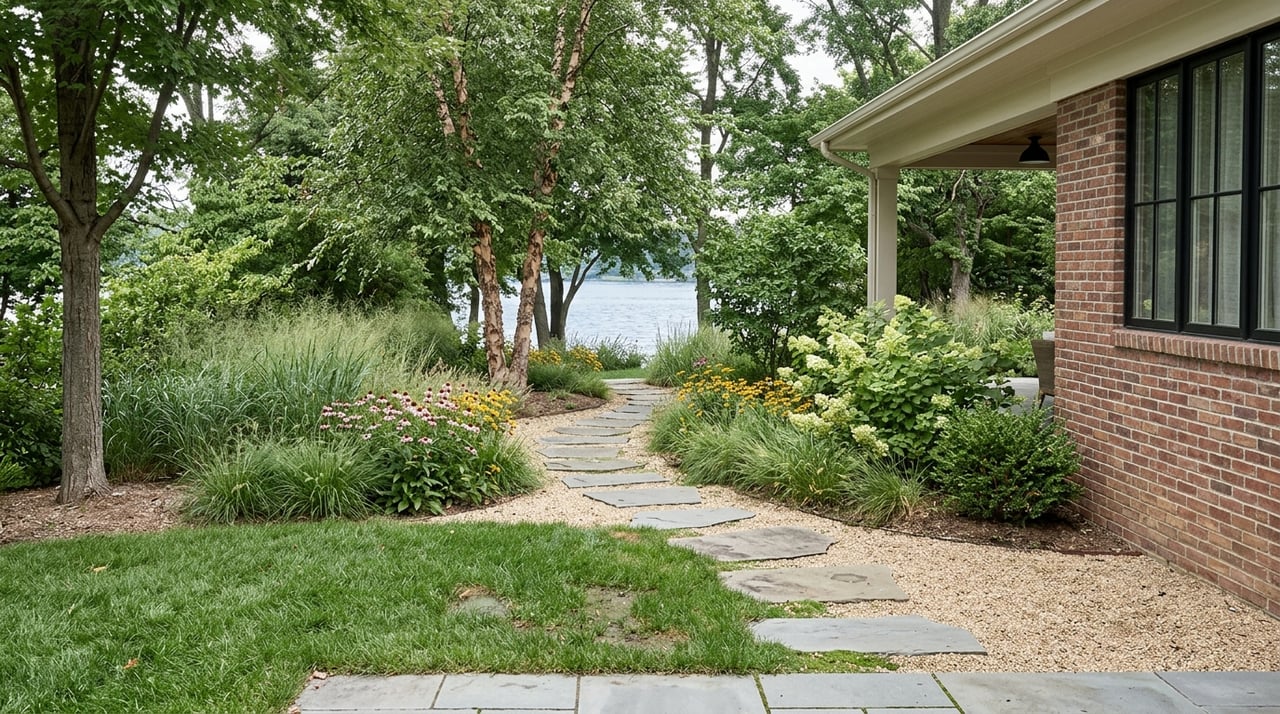
Experience the Winnetka Lakefront Lifestyle & Nearby Homes
April 2, 2026
April 2, 2026
If you are drawn to the idea of everyday lake access, peaceful green space, and homes with real architectural character, Winnetka stands out quickly. This North Shore village offers more than pretty shoreline views. It brings together public beaches, connected parks and trails, commuter convenience, and a residential setting with a long design history. If you are exploring a move, a lifestyle change, or a home near the water, this guide will help you understand what makes Winnetka’s lakefront feel so distinct. Let’s dive in.
Winnetka’s shoreline works as a connected public system rather than a single destination. According to the Winnetka Park District’s Waterfront 2030 plan, the village’s lakefront planning focuses on preserving and enhancing its five beaches while supporting bluff restoration and shoreline stabilization.
That matters if you want a lifestyle that feels active and practical, not just scenic. In Winnetka, the lakefront is part of daily life, with access points, parks, seasonal beaches, and boating facilities spread along the shoreline.
The Winnetka Park District beach system includes Maple Street Beach, Tower Road Beach, Lloyd Beach, Centennial Beach, and Elder Lane Beach. Each one serves a slightly different purpose, which gives you more flexibility depending on how you like to spend time outdoors.
Some spots are geared toward swimming and relaxing, while others support boating or broader park use. That variety is one reason the lakefront experience in Winnetka feels layered and lived-in.
Maple Street Beach is a seasonal, lifeguarded swimming beach. It includes a beach house, restrooms, off-street parking, and a pier that is used for sunbathing.
If you picture an easy summer routine, this is the type of setup that supports it well. You have practical amenities on site, which can make quick visits or longer beach days much simpler.
Tower Road Beach adds even more recreation options. The site includes showers, pier fishing, a playground, and swimming beaches, making it one of the more activity-rich parts of the shoreline system.
The surrounding Tower Road Park project information also highlights bluff restoration, new access stairs, and an ADA lookout. Those improvements show how the village is actively maintaining and updating the lakefront over time.
Lloyd Beach serves a different role. It is designed for motorized and non-motorized boating, and swimming is not permitted there, according to the Park District’s beach information.
For buyers who value direct access to boating amenities, that distinction is useful. It means Winnetka’s shoreline supports multiple outdoor routines rather than treating every lakefront site the same way.
Elder Lane Beach is another seasonal swimming beach with lifeguard staffing when open. Boats and kayaks are not allowed there, which helps define it as a more swim-focused setting.
Nearby, Centennial Park offers benches, bike racks, outdoor drinking fountains, and off-street parking. Those details may seem small, but they shape how easy it is to use the lakefront regularly.
Winnetka’s shoreline amenities are concentrated along Sheridan Road, with Centennial Park at 225 Sheridan Road, Tower Road Park at 899 Sheridan Road, Lloyd Park at 799 Sheridan Road, and Maple Street Park at 725 Sheridan Road. The Park District lists Tower Road Park as 3 acres, Lloyd Park as 9.47 acres, and Centennial Park as 5.22 acres.
That cluster creates a strong recreation corridor along the lake. Instead of relying on one park or one beach, you have several public spaces that support walking, sitting, biking, lake access, and seasonal outdoor time.
The Green Bay Trail adds another important layer to the lifestyle picture. The asphalt trail runs about 2.24 miles through Winnetka from Kenilworth to Glencoe, parallel to the Metra commuter line.
The trail also includes an alternate limestone surface, benches, bike racks, a picnic table, a drinking fountain, wildflower gardens, and access points near several streets and station areas. For many buyers, this kind of trail connection makes everyday movement through town feel easier and more enjoyable.
Winnetka combines lakefront recreation with strong commuter access. The village has multiple Union Pacific North Metra stations, including Winnetka Station, Hubbard Woods, and Indian Hill.
That station network lines up closely with Green Bay Trail access points, which creates a practical link between recreation and transit. If you want a village where you can enjoy shoreline amenities and still keep a straightforward commute, Winnetka offers that balance in a compact footprint.
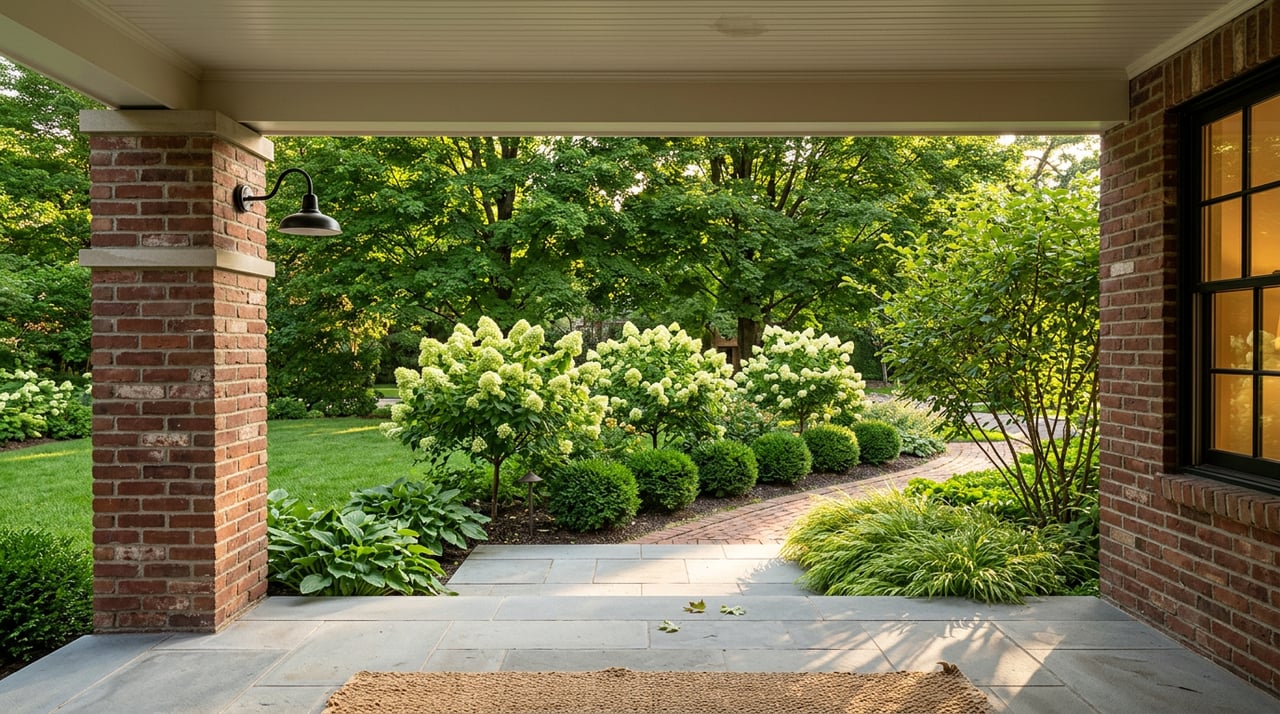
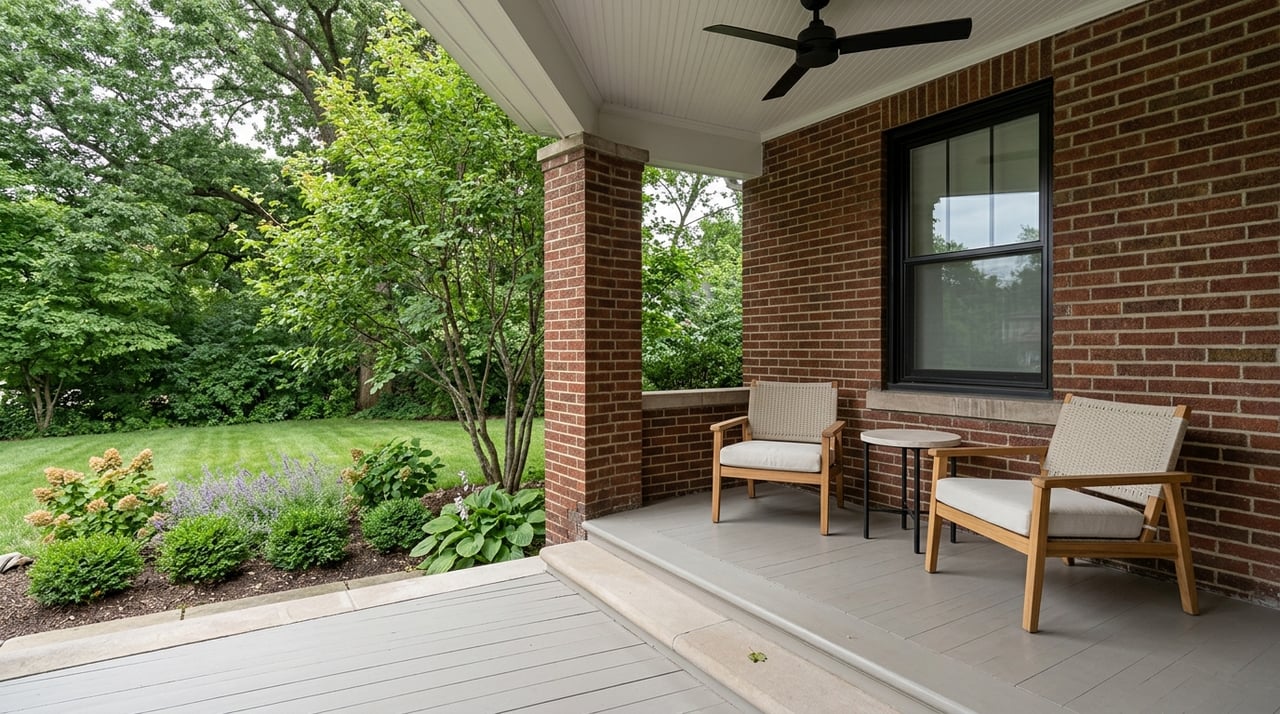
A lakefront lifestyle is not just about parks and beaches. It is also about the feel of the surrounding residential streets, and Winnetka has a notably varied housing stock.
The Winnetka Historical Society describes the village as less than four square miles and notes its broad range of architectural styles. Early homes began as simple log structures, followed by Victorian homes, and later Tudor Revival designs, which became the village’s most pervasive style.
The Historical Society’s neighborhood and house materials identify Victorian, Tudor Revival, Colonial Revival, Prairie School, French Normandy, and Arts & Crafts examples across Winnetka. That mix helps explain why the village does not feel visually repetitive.
Instead, many streets offer a layered architectural character that has evolved over time. For buyers, that often means more variety in home design, scale, and presentation, even within a relatively compact area.
Sheridan Road is one of the clearest examples of Winnetka’s lake-adjacent streetscape. The Historical Society highlights the Felix Lowy House at 140 Sheridan Road as a formal Tudor Revival residence on a property that originally extended 300 feet along Sheridan Road.
The same source notes that the homes at 181, 191, and 199 Sheridan Road represent Mediterranean Revival, French Normandy, and Tudor Revival styles on what was once a larger lakefront estate. Together, these examples show that the shoreline area is defined by architectural range rather than a single look.
Winnetka’s variety extends beyond the lakefront itself. The Historical Society’s article on 455 Birch Street points to Arts & Crafts influence as another part of the local housing story.
This matters if you are home shopping with a strong interest in design and streetscape. In Winnetka, the appeal often comes from the combination of mature setting, historic depth, and varied home styles rather than one dominant architectural formula.
If you are considering Winnetka, the biggest takeaway is how many lifestyle pieces fit together in one village. You have public lake access, multiple shoreline parks, swim and boating options, a trail tied closely to commuter rail, and a residential landscape with long-standing architectural variety.
That combination can make home searches here feel very personal. Some buyers may prioritize proximity to the beach, while others care more about trail access, station convenience, or a particular streetscape feel.
If you own a home in Winnetka, the lakefront story can be an important part of how buyers understand value and lifestyle. Buyers are often looking at more than square footage. They are also weighing access to public amenities, convenience, and the character of the surrounding area.
That is where thoughtful positioning matters. A well-presented home, clear neighborhood context, and strong marketing can help buyers connect your property to the lifestyle they are hoping to find.
Whether you are planning a move soon or simply exploring your options, working with a local advisor can help you evaluate how your home fits into the broader Winnetka market. If you are thinking about buying or selling in Winnetka or another North Shore community, connect with Deb Baker for tailored guidance and a high-touch experience from start to finish.
Home
Get assistance in determining current property value, crafting a competitive offer, writing and negotiating a contract, and much more. Contact me today.