
Step-by-Step Guide for First-Time Homebuyers in Buffalo Grove
April 16, 2026
April 16, 2026
Buying your first home in Buffalo Grove can feel exciting and overwhelming at the same time. You are likely balancing a budget, watching interest rates, and trying to make smart decisions in a market that can move quickly. The good news is that with the right plan, you can approach the process with more clarity and less stress. This step-by-step guide walks you through what to expect in Buffalo Grove and how to prepare with confidence. Let’s dive in.
Before you tour homes, it helps to know what kind of market you are entering. Buffalo Grove is a village that spans both Cook and Lake counties, about 35 miles northwest of Chicago, according to the Village of Buffalo Grove community profile.
Current data points to an active, competitive market. Redfin’s Buffalo Grove housing market data reported a median sale price of $403,000 in February 2026, while Zillow reported an average home value of $436,990 and 16 days to pending as of March 31, 2026. The exact numbers vary by source, but the clear takeaway is that Buffalo Grove is not a slow market.
That means you should be ready to move when the right home appears. It also means preparation matters more than ever, especially if you are competing against other buyers.
Your home search should start with your monthly comfort level, not just the maximum price a lender might approve. The Consumer Financial Protection Bureau recommends reviewing your credit reports, tracking spending, deciding how much you want to spend, and organizing your loan documents before you shop.
For many first-time buyers, this is the moment when the wish list meets real life. You need to account for the mortgage payment, property taxes, homeowners insurance, utilities, maintenance, and any HOA dues if a property has them.
You should also plan for your upfront cash needs. The CFPB says closing costs typically run 2% to 5% of the purchase price and mortgage insurance is usually required if your down payment is under 20%.
If you are buying in Illinois, it is worth reviewing state assistance programs early in the process. The IHDA Access Home program offers 6% of the purchase price, up to $15,000, in down payment and closing cost assistance as an interest-free deferred loan.
IHDA says the program is available in all Illinois counties, requires a minimum credit score of 640, includes income and purchase-price limits, and requires homeownership education before closing. IHDA also offers other options, including a 4% forgivable assistance product up to $6,000.
If you may qualify, this can affect how much cash you need to bring to closing. It is one more reason to start your financing conversation before you begin serious home shopping.
A preapproval letter can help you understand your buying power and show sellers that you are serious. The CFPB recommends requesting Loan Estimates from multiple lenders and comparing terms carefully.
That extra effort can pay off. According to the CFPB, comparing loan offers can potentially save homebuyers $600 to $1,200 per year.
There is also a timeline to know. Federal rules require the Loan Estimate within three business days of application, and the Closing Disclosure must arrive at least three business days before closing. Understanding those milestones can help you stay organized and avoid surprises.
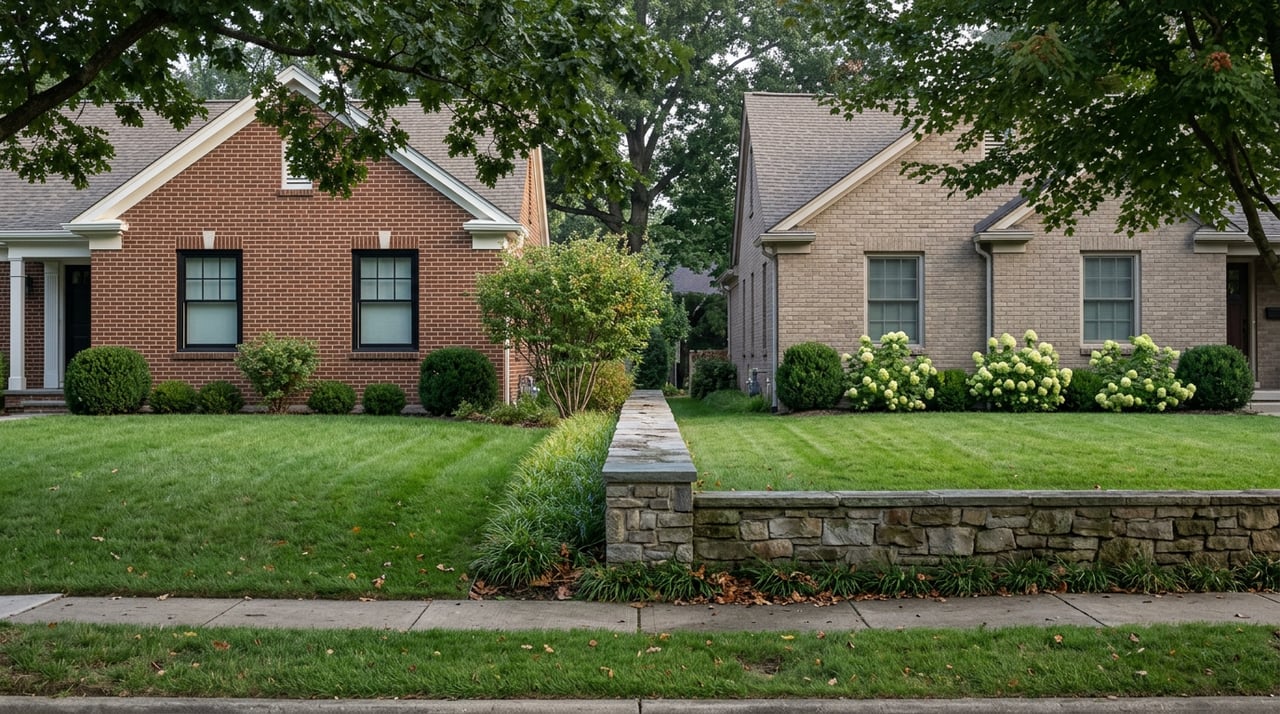
Once your budget and financing are clearer, you can narrow your search based on your needs. In Buffalo Grove, one important detail is the county line. Because the village spans both Cook and Lake counties, the county side of a home can affect tax timing and other local details, as noted by the Village of Buffalo Grove.
This does not mean one side is automatically better than another. It simply means you should understand the practical differences for any specific property you are considering.
A focused search usually works best when you divide your criteria into three buckets:
It is easy to get distracted by finishes and decor when you first start touring homes. Try to look beyond paint colors and furniture placement and focus on layout, condition, light, storage, and how the home functions for your routine.
In a competitive market, you may feel pressure to decide fast. That is why it helps to revisit your priorities before every showing and compare each home against the same set of standards.
In Buffalo Grove, multiple offers are common, and some homes sell above list price. Redfin’s market data supports that trend, but price is not the only factor that matters.
The National Association of REALTORS® notes that strong offers are not always the highest offers. Financial terms, contingencies, earnest money, and the closing timeline can all affect how attractive your offer looks to a seller.
For a first-time buyer, the goal is to stay competitive without taking on unnecessary risk. A strong strategy is about balance, not just speed.
When emotions run high, buyers sometimes feel pushed to waive protections too quickly. The CFPB recommends making your purchase offer contingent on financing and on a satisfactory inspection when possible.
These contingencies matter because they can protect you if your loan falls through or if the home has significant issues. In practical terms, they give you room to evaluate the property and your financing before you are fully locked in.
Every situation is different, but as a first-time buyer, it is wise to understand what you are giving up before you remove any safeguards.
Earnest money often causes confusion for first-time buyers. It is a good-faith deposit held in escrow, and it is not the same thing as your down payment.
The NAR consumer guide on escrow and earnest money explains that earnest money is common in competitive markets and usually ranges from 1% to 10% of the purchase price. If a contract is canceled because contingencies cannot be resolved, the funds are generally refunded. If a buyer simply walks away without a protected reason, the seller may be able to keep the deposit.
This is one of the most important reasons to understand the contract terms before you sign.
Once your offer is accepted, the clock starts moving. The CFPB advises buyers to schedule the home inspection as soon as possible so there is time to review findings and negotiate if needed.
It also helps to know that an inspection and an appraisal are not the same thing. The inspection evaluates the home’s condition, while the appraisal is typically required by the lender to support the property’s value.
If the inspection reveals defects, you may be able to negotiate repairs or a credit. If your contract includes an inspection contingency and the issues are too serious, the CFPB says you may be able to cancel without penalty.
Before closing, you will receive a Closing Disclosure. The CFPB recommends comparing it with your earlier Loan Estimate and reviewing the loan amount, interest rate, monthly payment, closing costs, cash to close, and any taxes or insurance that are not being escrowed.
This is not paperwork to skim. It is your chance to confirm that the final terms match what you expected.
The CFPB’s mortgage closing checklist also warns buyers about wire fraud. Always confirm wire instructions through a trusted contact, and do not rely on last-minute email changes.
Property taxes are one of the biggest reasons your monthly housing costs can change over time. In Buffalo Grove, the county side of the property still matters after closing.
For example, Lake County’s real estate tax calendar shows 2025 taxes payable in 2026 with bills mailed April 27 and installments due June 4 and September 4. Cook County follows a different schedule, including a first-installment due date of April 1, 2026, according to the research provided.
That means your first tax bill and escrow timing can depend on the home’s exact location. The CFPB also notes that even with a fixed-rate mortgage, your total monthly payment can still change if property taxes or homeowners insurance increase.
Closing day is not the finish line for your budget. It is the start of homeownership.
The CFPB closing checklist recommends planning for property taxes, homeowners insurance, HOA dues if applicable, and an emergency repair fund. That cushion can make the first year of ownership feel much more manageable, especially when normal maintenance and unexpected repairs start to show up.
Buying your first home in Buffalo Grove does not have to feel like guessing your way through a fast-moving market. When you understand the local pace, prepare your finances early, compare lenders, protect yourself in the contract, and pay attention to county-specific tax details, you put yourself in a much stronger position.
If you want a calm, informed approach to your Buffalo Grove home search, Deb Baker offers hands-on guidance backed by deep northern Chicagoland market knowledge and a client-first process designed to help you move forward with confidence.

Get assistance in determining current property value, crafting a competitive offer, writing and negotiating a contract, and much more. Contact me today.