Moving to Highland Park IL: Guide for Suburban Buyers
May 14, 2026
May 14, 2026
Thinking about trading city pace for a North Shore lifestyle with a little more space and a little more breathing room? Highland Park often lands on relocation buyers’ short lists for good reason. If you are exploring a move here, this guide will help you understand how Highland Park feels, how it functions day to day, and what to focus on before you buy. Let’s dive in.
Highland Park is an established North Shore community with a strong homeowner base and a professional population. According to the 2020 Census, the city had 30,176 residents, an 83.8% owner-occupied housing rate, and a median household income of $168,094. Those numbers point to a community where many residents put down roots and stay.
For many buyers, the appeal is not just one thing. Highland Park combines lakefront access, historic character, everyday convenience, and multiple business districts. City materials also highlight architecture, trails, arts and culture, shopping, and walkable commercial areas, which gives you more than one way to live here depending on the part of town you choose.
One of Highland Park’s biggest advantages is variety in everyday lifestyle. You can spend your morning on a trail, run errands downtown, and still have easy access to dining, shops, and community amenities close to home. That balance matters if you want suburban space without feeling cut off from activity.
The Park District of Highland Park manages more than 740 acres, 44 parks, four beaches, and 10 facilities, with more than 2,000 programs offered annually. For a relocation buyer, that means recreation is woven into daily life rather than treated like an occasional perk.
If green space is high on your list, Highland Park gives you a lot to work with. Heller Nature Center includes 97 acres and three miles of trails. The Preserve of Highland Park spans more than 100 acres and connects neighborhoods, downtown, and regional bike routes through wooded areas, native plantings, and trails.
These amenities can shape how a neighborhood feels from one block to the next. Some buyers want quick access to trails and open space, while others care more about being close to business districts or commuter options. In Highland Park, you often have to weigh those tradeoffs at the address level.
The lakefront is a major draw, but it is important to know that not every beach functions the same way. Rosewood Beach is the designated swimming and recreation beach, and access during swimming hours requires passes and lakefront parking decals. Park Avenue and the north beaches are non-swimming areas.
That distinction matters if you picture your weekends revolving around the beach. Park Avenue supports boating, stand-up paddleboarding, kayaking, sailing, and fishing, so your preferred use of the lakefront should factor into where you search.
If commute and access are part of your relocation decision, Highland Park offers several options. The downtown area is accessible via the Metra North line, and the Ravinia District also has access through Ravinia Station. Pace Bus and major driving routes including Sheridan Road, US 41, I-294, and north Lake Shore Drive add flexibility.
The mean commute in Highland Park is 27.5 minutes, based on Census data. Of course, your actual time will depend on where you work and whether you rely on Metra, drive most days, or use a mix of both.
Highland Park is not just about getting in and out of town. It also supports moving around locally without always getting back in the car. Downtown is described as pedestrian- and cyclist-friendly, and the Ravinia District connects to the enhanced Green Bay Trail and Robert McClory Bike Trail.
For some buyers, this is a meaningful lifestyle upgrade. Being able to bike to a district, walk to a shop or service, or connect to trails from your neighborhood can change how convenient suburban living feels.
A common relocation mistake is assuming Highland Park feels the same everywhere. It does not. The city includes multiple districts and housing patterns, so your experience can differ depending on whether you live closer to downtown, near Ravinia, or in a more inland or lake-adjacent area.
Downtown Highland Park’s Central Business District covers about 106 acres and includes about 450 businesses. It is also close to Highland Park Hospital, City Hall, the library, the Art Center, and the North Shore Yacht Club. If you want easy access to services and a traditional town-center feel, this area may stand out.
The Ravinia District offers a more compact, walkable commercial area with restaurants, specialty shops, professional services, and a festival-driven arts identity. Buyers who want a neighborhood with a distinct commercial core often compare this area closely with downtown options.
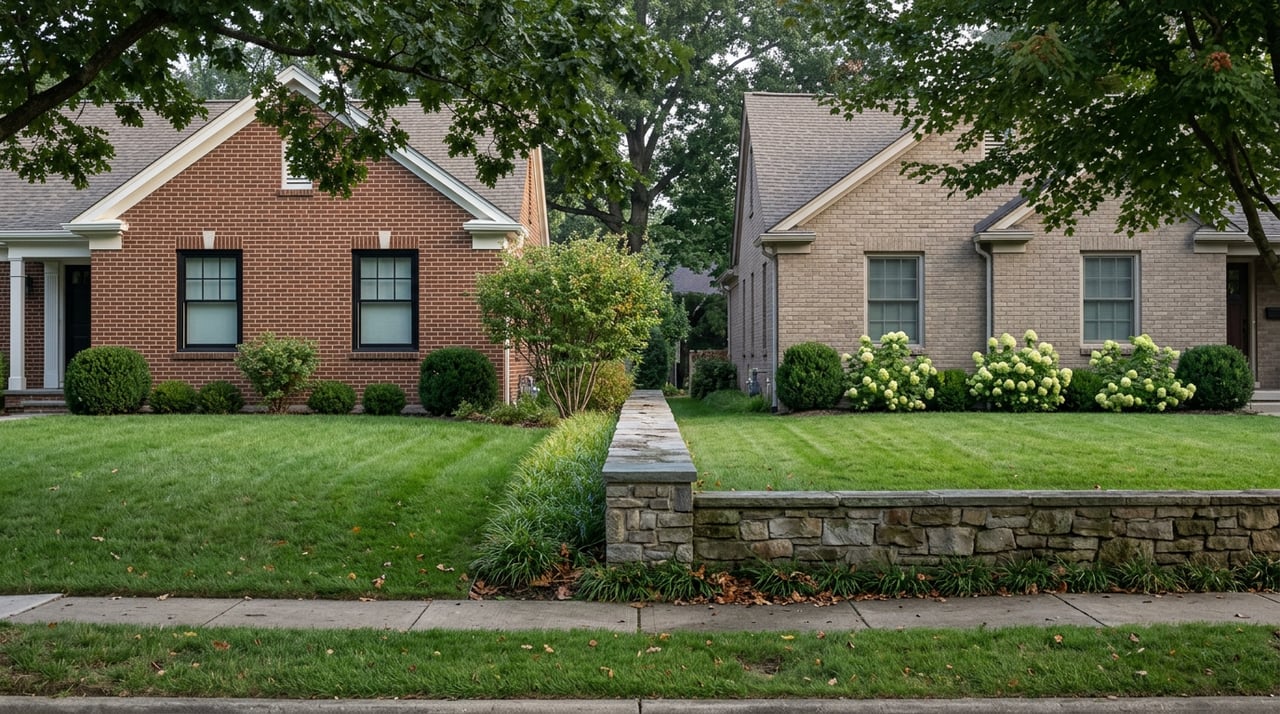
In practical terms, relocation buyers should think in micro-locations, not just city boundaries. Two homes in Highland Park can offer very different routines depending on trail access, distance to Metra, proximity to business districts, and access to the lakefront. That is why broad city averages only tell part of the story.
It is also why touring with a clear list of priorities matters. A home that looks perfect on paper may function very differently depending on how you actually plan to live.
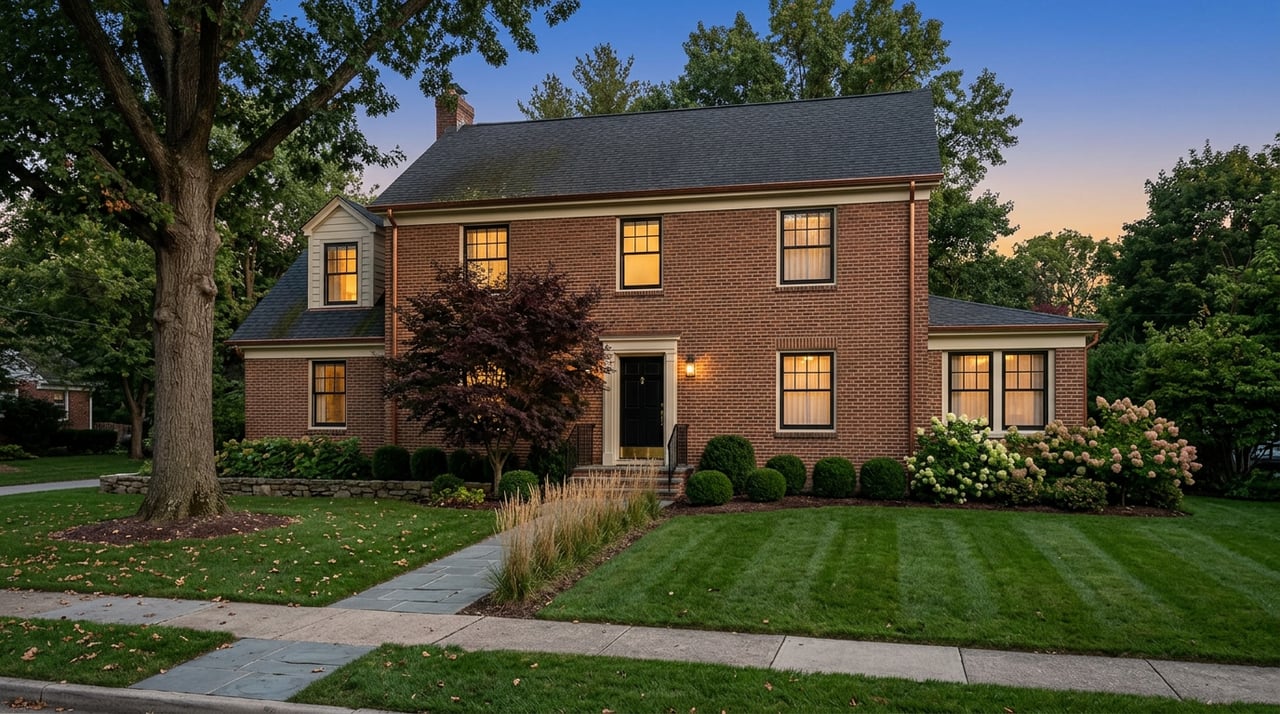
Highland Park is not a one-style market. City materials describe it as a historic community, and they also note growing multifamily residential uses downtown. In The Highlands neighborhood, city planning materials describe 1920s Tudor homes followed by 1940s and 1950s development.
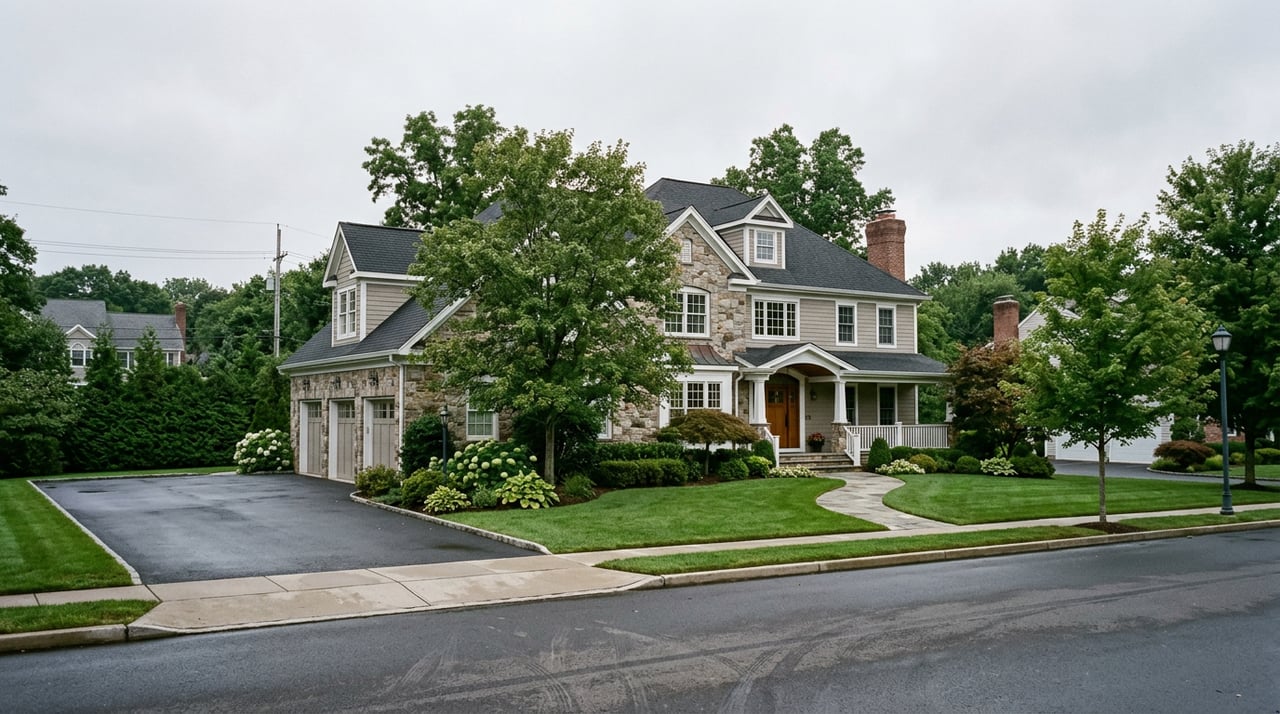
That means your search may include older single-family homes with character, condo or multifamily options near downtown, and more suburban-feeling residential blocks farther inland. If you are relocating from the city or another suburb, this mix can be a real advantage because it gives you multiple entry points into the market.
Highland Park is a high-value market, and current pricing reflects that. Zillow’s spring 2026 home value index placed the average home value at $751,001. Redfin reported a median sale price of $763K in March 2026, with homes averaging about 42 days on market and about two offers on average.
Those figures use different methods, so they are best used as directional indicators rather than exact comparisons. The bigger takeaway is that Highland Park remains a substantial investment, and buyers should be ready for pricing differences by home type and location.
One of the clearest signals for relocation buyers is how much submarkets can diverge. Redfin neighborhood data from March 2026 showed a median sale price of $557K in Ravinia Highlands compared with $885K in Ravinia. That is a significant spread within the same city.
This is why you should not build your budget around a single citywide number. Street, housing type, condition, and micro-neighborhood can all move pricing meaningfully in Highland Park.
When you relocate, the right questions often matter more than the perfect online listing. In Highland Park, there are a few address-level checks that can make your decision much clearer.
Start with these:
These details can shape your day-to-day experience as much as square footage or finishes. A polished house is important, but a good fit is about how the home supports your routine.
If schools are part of your move, verify attendance by exact address before making a decision. North Shore School District 112 serves preschool through 8th grade across nine schools in Highland Park, Highwood, and Fort Sheridan. Township High School District 113 includes Highland Park High School, a public four-year school in Highland Park.
The key point for relocation buyers is simple: do not assume a listing’s general location tells you everything you need to know. Boundary details should always be checked directly for the specific property you are considering.
Highland Park can be a strong fit if you want an established North Shore suburb with a range of housing styles, a meaningful park system, lakefront access, and multiple business districts that support different lifestyles. It can also work well if you want options in how you commute and how much walkability you build into your routine.
At the same time, it is a market where nuance matters. Pricing can vary sharply by micro-neighborhood, the lakefront works differently depending on the access point, and the feel of daily life changes from downtown to Ravinia to more inland residential areas. For relocation buyers, that makes local guidance especially valuable.
If you are considering a move to Highland Park, Deb Baker can help you narrow the search, compare neighborhoods with clarity, and make a confident move with less stress.
Get assistance in determining current property value, crafting a competitive offer, writing and negotiating a contract, and much more. Contact me today.